 Language




DA Plastic Surgery
FAQ
-
▶ [Korean plastic surgery] HIFU vs. Thread Lift in Korea: The Ultimate 2026 Guide to Non-Surgical Skin Tightening
-
In Seoul's world of non-surgical anti-aging, the most debated question is almost always the same: HIFU or Thread Lift? Both lift. Both tighten. But they work on different layers, at different speeds, for different types of faces. Here's everything you need to know to choose wisely.
1. HIFU (High-Intensity Focused Ultrasound): The Gradual Deep-Tissue Treatment
HIFU treatments like Ultherapy and Shurink use focused ultrasound energy to heat the deep SMAS layer of the face — the same layer a surgeon tightens during a facelift — from the outside.
How it works: Thermal coagulation points at precise depths trigger the body's own collagen remodeling response
Longevity: 6–12 months per treatment. Results peak around the 3-month mark as new collagen matures.
Best for: Early sagging, loss of skin elasticity, preventive lifting for patients in their 20s and 30s, anyone who wants literally zero downtime
Pros: 100% non-invasive, improves skin texture and pores as a bonus, no needles, no incisions
Consideration: Results are gradual (patience required), and it's less effective for significant, established jowls
2. Thread Lift: The Mechanical Instant Lift
Thread lifts use medical-grade dissolvable barbed sutures (Mint threads, PDO) to physically grab and reposition drooping skin and tissue.
How it works: Threads are inserted under the skin through tiny needle entry points, then anchored to lift tissue mechanically and immediately
Longevity: 12–18 months. The threads dissolve, but the collagen they stimulate provides lasting structural support.
Best for: Moderate sagging, visible jowls, deepening nasolabial folds, patients in their 40s and 50s who want an immediate visible change
Pros: Results are instant and powerful, customizable for specific areas (brow lift, jawline sharpening), minimally invasive
Consideration: Requires local anesthesia; expect 2–5 days of mild swelling or bruising
3. At a Glance
Results Timeline: HIFU — Gradual (3 months to peak) | Thread Lift — Immediate
Invasiveness: HIFU — None | Thread Lift — Minimal
Downtime: HIFU — Zero | Thread Lift — 2–5 days
What It Targets: HIFU — Deep tissue tightening and collagen | Thread Lift — Structural repositioning of surface tissue
4. The Seoul Strategy: Why Not Both?
In Korea, the most sophisticated approach doesn't choose between HIFU and threads — it layers them. This "Layered Lifting" approach typically combines:
HIFU to tighten the deep foundation (SMAS layer)
Thread Lift to physically reposition surface-level sagging
RF Lifting (Oligio) to improve skin surface elasticity
Choose HIFU if you want a gradual, natural improvement with no recovery time and prefer a fully non-invasive experience.
Choose a Thread Lift if you have noticeable sagging and want an instant, more structural V-shaped contour.
A specialist in Seoul will assess your exact degree of laxity, skin quality, and goals to recommend the most effective combination for your face.
-
-
▶ [Korean plastic surgery] How to Make Your Plastic Surgery Results Last as Long as Possible: The Seoul Maintenance Guide
-
Getting plastic surgery is an investment — but the surgery itself is really just the beginning. What happens in the months and years after your procedure determines how long you enjoy your results. In Seoul, long-term maintenance is taken as seriously as the surgery itself. Here's how to protect your investment.
1. Skin Care is Your First Line of Defense
The skin's quality directly affects how surgical results hold up over time.
Sun Protection (Non-Negotiable): UV rays are the fastest way to break down collagen and darken surgical scars. Broad-spectrum SPF 50+ every single day — yes, even indoors and on cloudy days.
Medical-Grade Skincare: Retinoids, vitamin C, and hyaluronic acid support the skin barrier and structural integrity — affordable habits with a big long-term payoff
In-Clinic Maintenance: Regular Thermage FLX (RF) or Ultherapy (HIFU) sessions stimulate new collagen, essentially "locking in" the lifting effects of your surgery and extending them.
2. Feed Your Results: The Anti-Inflammation Diet
Chronic inflammation silently degrades the quality of surgical results over time.
Hydration: Adequate water intake keeps skin supple and supports the body's waste-clearing functions
Korean Healing Foods: Pumpkin porridge (Hobak-juk) and seaweed soup (Miyeok-guk) aren't just cultural traditions — both are recognized for their anti-inflammatory and circulatory benefits
Weight Stability: Significant weight fluctuations stretch and shift fat, which can alter the contours achieved through liposuction, breast augmentation, or facial contouring
3. Use Regenerative Medicine to Maintain the Foundation
Korean clinics in 2026 increasingly incorporate "biostimulators" into their maintenance programs.
Rejuran Healer (PN) or Exosome Therapy: Regular sessions accelerate tissue repair and maintain the Glass Skin quality that complements surgical changes
Juvelook (PDLLA): Ideal for maintaining natural volume around the cheeks and under the eyes by stimulating your own collagen production
4. Lifestyle Habits That Protect Your Surgery
Zero Smoking: Smoking constricts blood vessels, dramatically impairing oxygen delivery to healing tissue. It's the single most damaging habit for surgical results.
Quality Sleep: Your body does most of its repair during deep sleep. Sleep on your back, use a silk pillowcase to minimize friction on incisions, and protect asymmetry from pressure
Moderate Exercise: Once cleared by your surgeon, regular exercise improves blood flow and gives skin a healthy, oxygenated radiance.
Plastic surgery provides the foundation — your lifestyle builds the lasting result. Sun protection, stable nutrition, and regular regenerative treatments can extend the "golden age" of your result by a decade or more. Before leaving Seoul, ask your coordinator about a personalized 12-month maintenance plan.
-
-
▶ [Korean plastic surgery] What to Expect During a Plastic Surgery Consultation in Seoul: A Step-by-Step Guide for International Patients
-
Walking into a top Seoul plastic surgery clinic for the first time is nothing like sitting in a GP's waiting room. It's a multi-step, high-tech, deeply personalized experience designed to leave you fully informed and genuinely excited about your plan. Here's exactly what happens.
1. Advanced Diagnostic Imaging First
Top-tier Seoul clinics don't start with words — they start with data.
3D-CT Scans: For rhinoplasty and facial contouring, a 3D-CT scan is standard. It maps your bone structure, nerve locations, and cartilage status with medical-grade precision, ensuring surgery plans are anatomically sound before a single marking is drawn.
Virtual Simulations: Many clinics offer 3D simulations (Divina, VECTRA) so you can see a "before and after" preview of your potential results. This alignment of expectations is one of the reasons Korean surgery outcomes are so consistently satisfying.
2. A Real Conversation With Your Actual Surgeon
Unlike in many countries where you'll never meet your surgeon until you're already on the table, in Seoul you have a genuine in-depth conversation with the board-certified specialist who will perform your procedure.
Anatomy-First Assessment: The surgeon evaluates your skin thickness, muscle strength, and facial proportions (the "Golden Ratio") and explains their approach in clear, honest terms
Material Discussion: You'll talk through specifics like which cartilage (ear, septal, or rib) for rhinoplasty, or which implant brand for breast augmentation — nothing is decided without your understanding and agreement
3. Your English-Speaking Coordinator Is With You the Whole Time
Language is no barrier in Seoul's medical districts. You'll be assigned a personal English-speaking coordinator who:
Stays with you from initial check-in through final post-op care
Explains medical terminology in plain language
Manages your surgery schedule and helps plan your recovery essentials
4. Transparent Pricing and Flexible Scheduling
After the medical assessment, a senior consultant walks you through costs with complete transparency — surgical fees, anesthesia, aftercare packages, all of it.
Most major Seoul clinics can schedule surgery within 1–3 days of your in-person consultation, which works incredibly well for medical tourists.
5. Pre-Surgery Health Screening
Safety always comes first. Before any surgery is confirmed:
Blood tests and EKG to confirm fitness for anesthesia
Thorough review of medical history, allergies, and current medications
A consultation in Seoul is educational, transparent, and genuinely exciting. It's the moment you go from wondering "what if" to having a clear plan with a clear timeline. Come prepared with your photos and questions — and leave with a roadmap.
-
-
▶ [Korean plastic surgery] How to Prepare for Plastic Surgery in Korea: The 2026 International Patient Checklist
-
Korea is the world's plastic surgery capital — but traveling internationally for a procedure requires significantly more planning than a local appointment. Follow this step-by-step guide and you'll arrive in Seoul calm, prepared, and ready.
Step 1: Research & Online Consultation (3–6 Months Before)
Choose Accredited Clinics: Look for clinics registered with the Korean Ministry of Health and Welfare and surgeons certified by the Korean Society of Plastic and Reconstructive Surgeons (KSPRS).
Virtual Consultation: Most Seoul clinics consult via WhatsApp, KakaoTalk, or Zoom. Send clear photos — front, 45-degree angle, profile — for a preliminary assessment and cost estimate.
Review Before & After Cases: Focus on patients with similar ethnic features and bone structure for realistic expectations.
Step 2: Logistics & Travel (2–3 Months Before)
Plan Your Stay: Most procedures require 7–14 days; facial contouring or revision rhinoplasty may need up to 21 days before flying is safe.
Visa & Documents: Check K-ETA or C-3-1 (Medical) visa requirements. Keep both digital and physical copies of your medical history and current medication list.
Accommodation: Book in Gangnam or Apgujeong — walking distance to your clinic makes follow-up appointments and stitch removal infinitely easier.
Step 3: Pre-Surgery Health Prep (1 Month Before)
Stop Smoking & Drinking: Nicotine constricts blood vessels and can cause poor healing or skin necrosis. Stop at minimum 4 weeks before surgery.
Pause Blood Thinners: Aspirin, ibuprofen, vitamin E, fish oil, and herbal supplements like ginseng can increase surgical bleeding.
Health Screening: Your Seoul clinic will run blood tests and an EKG. If you have underlying health conditions, bring a "fit for surgery" clearance letter from your local doctor.
Step 4: What to Pack
Button-up or zip-up clothing — you won't be pulling anything over your head post-facial surgery
Slip-on shoes — bending to tie laces increases facial pressure in the first days
Travel neck pillow, reusable water bottle with straw, and a travel adapter (Type F plug, 220V)
Step 5: Arrival & In-Person Consultation (Days 1–2)
3D Diagnostic Mapping: Expect high-tech consultation with 3D-CT scanning for accurate surgical planning
Design Finalization: This is when you and your surgeon align on proportions, materials, and the "Golden Ratio" for your face. Don't hesitate to ask about the anesthesiologist and emergency protocols.
Step 6: Recovery — The "Seoul Recovery" Experience
Deswelling Therapy: Take advantage of clinic aftercare — Oxygen Therapy and LED Deswelling treatments genuinely speed up recovery
Healing Foods: Follow the local tradition of Pumpkin Porridge (Hobak-juk) to reduce inflammation naturally
Light Walks: Around the Han River or Gangnam streets help circulation and lift spirits
Preparation is what separates a smooth, joyful surgical experience from a stressful one. Choose a certified clinic, follow the pre-op protocol, and you can focus entirely on your transformation.
-
-
▶ [Korean plastic surgery] Is Plastic Surgery in Korea Actually Safe? What Every International Patient Needs to Know in 2026
-
Korea is the plastic surgery capital of the world — and the question we hear most often from international patients is completely understandable: "But is it safe?" In 2026, the answer is an emphatic yes — provided you choose a government-certified institution. Here's why.
1. Technology That Sets the Global Standard
Safety in Seoul isn't just about regulations — it's built into the technology.
3D-CT Diagnostic Mapping: Used for rhinoplasty and facial contouring to map nerves and bone with exceptional accuracy, dramatically minimizing nerve-damage risk
Full HD Endoscopy: Provides real-time visualization during surgery, reducing bleeding, tissue trauma, and recovery time significantly
Anesthesia Monitoring: Dedicated, full-time anesthesiologists monitor patients in real time, backed by emergency power supplies and specialized resuscitation protocols
2. Transparency Measures to Prevent "Ghost Doctors"
Korea has implemented serious safeguards against the (internationally publicized) problem of unauthorized surgeons:
Real-Time Surgery Monitoring: Many certified clinics allow family members to monitor surgery in real time or provide CCTV confirmation that your designated surgeon performed the procedure
Real-Name Surgery System: You can verify your surgeon's credentials directly through the KSPRS website
3. Integrated Aftercare: Safety Continues Post-Op
Seoul's medical infrastructure is built for complete recovery, not just surgery:
Structured Follow-Up: Clinics provide scheduled post-op appointments and 24/7 emergency contact lines for international patients
Deswelling Programs: Infrared LED, oxygen chambers, and ultrasound treatments are standard aftercare that reduce complications and speed healing
4. Your Pre-Booking Safety Checklist
Before committing, confirm all four of these:
✓ Ministry of Health registration (verify at Medical Korea website)
✓ Full-time anesthesiologist on-site during procedures
✓ Emergency response systems (AED, emergency power backup)
✓ Professional medical translator (not front-desk staff)
South Korea treats plastic surgery as a highly regulated medical field — not a beauty service. By choosing a certified clinic and a board-certified surgeon, you can genuinely undergo your procedure with complete peace of mind.
-
-
▶ [Korean plastic surgery] How Long Should You Stay in Seoul After Plastic Surgery? A Procedure-by-Procedure Breakdown
-
One of the most common questions we get from international patients: "Can I fly home after a week?" The honest answer depends entirely on what you had done. Flying too early can create real problems — and here's exactly how long each procedure actually requires.
1. Recovery Timeline by Procedure
Eye Surgery (Blepharoplasty): 7–10 Days
Stitches come out on day 5 or 7. Staying a few extra days lets initial bruising settle so you can travel comfortably and presentably.
Nose Surgery (Rhinoplasty): 10–14 Days
This is a critical window. Internal splints and external casts are removed around day 7 — you must stay until then. Flying with a fresh rhinoplasty carries real risk from cabin pressure changes affecting nasal healing.
Facial Contouring (V-Line, Zygoma): 14–21 Days
Bone-related surgeries need the most monitoring. Two weeks minimum for major swelling to settle, plus confirmation from your surgeon that internal healing is on track.
Breast Augmentation & Liposuction: 7–14 Days
The focus is mobility and drain management. You need enough time to move comfortably and confirm any surgical drains are safely removed before departure.
2. Why Early Flying Is Genuinely Risky (Not Just Conservative Caution)
The Stitch Factor: Specialized suturing techniques used in Seoul are best managed by your original surgeon for optimal scar outcomes
Cabin Pressure: Pressure changes during flights can cause increased swelling, pain, and minor bleeding at recent surgical sites — especially after rhinoplasty
DVT Prevention: Long-haul flights increase blood clot risk post-surgery. Seoul surgeons typically recommend waiting at least 10–14 days before any long flight.
3. The "Seoul Recovery" Experience — Why Staying Is Actually Worth It
While you wait, Seoul's clinic infrastructure actively accelerates your healing:
High-Tech Deswelling: Oxygen chambers and LED light therapy not available at home
Direct Surgeon Access: Any concerns in the first week mean same-day attention from your actual surgeon
Healing Environment: Local recovery staples like pumpkin porridge (Hobak-juk) genuinely help reduce inflammation
The Bottom Line
For most international patients, a 2-week stay in Seoul hits the sweet spot — covering stitch removal, ensuring safe air travel, and giving you the best possible foundation for long-term results. Before booking your flight home, always confirm your specific timeline with your coordinator.
-
-
▶ [Korean plastic surgery] 5 Questions You Must Ask Your Korean Plastic Surgeon Before Your Surgery
-
The best surgeons in Seoul welcome informed patients. In fact, thoughtful questions are a sign of exactly the kind of patient they want to work with. Here are five questions that will help you evaluate your surgeon's expertise, safety standards, and genuine commitment to your outcome.
1. "Are You a Board-Certified Plastic Surgeon (KSPRS)?"
In Korea, not every doctor performing cosmetic procedures is a board-certified plastic surgeon — some are practitioners from other specialties who've added cosmetic work to their practice.
Why it matters: A KSPRS-certified surgeon (Korean Society of Plastic and Reconstructive Surgeons) has completed years of rigorous specialty training in both aesthetic and reconstructive surgery
Pro tip: Ask for their full name, then verify their credentials at the official KSPRS website or the Medical Korea portal before your appointment
2. "How Many Times Have You Performed This Specific Procedure This Month?"
Experience matters more than general talent, especially for complex surgeries like revision rhinoplasty or facial contouring.
Why it matters: A surgeon performing 10–20 cases of your specific procedure per month has a much more finely tuned "feel" for the subtleties that produce consistently excellent results
Follow-up: Ask to see before-and-after photos of patients with similar ethnic features and bone structure to yours
3. "Will a Board-Certified Anesthesiologist Be Present for the Entire Surgery?"
Anesthesia safety is as critical as surgical skill — and smaller clinics sometimes share or rotate an anesthesiologist.
Why it matters: For maximum safety, a dedicated full-time anesthesiologist should be in the operating room from the moment you go under until you fully wake up
Check for: Real-time monitoring equipment and emergency power backups (UPS) in case of blackout
4. "What Is Your Policy If I'm Not Happy With the Result?"
No surgery comes with a 100% guarantee, and being prepared for "what if" scenarios is simply good planning.
Why it matters: Most reputable Seoul clinics have a clear revision policy within a 12-month period. Terms around anesthesia fees and facility costs vary, so clarify upfront while everything is still hypothetical.
5. "What Specific Aftercare Programs Are Included — and What Costs Extra?"
In Seoul, surgery ends in the operating room but results are finalized during recovery. High-end clinics include structured aftercare: oxygen therapy, LED deswelling, and ultrasonic massage.
Why it matters: Proper aftercare can shorten recovery by up to 30%. Know exactly what's included in your quoted price and what would be an add-on before you agree to anything.
A great surgeon will answer all five questions directly and confidently. If you get evasiveness, vague reassurances, or pressure to move quickly — those are your signals to look elsewhere.
-
-
▶ [Korean plastic surgery] What Is Stem Cell Therapy in Korean Plastic Surgery? A Complete Guide to Regenerative Beauty
-
Stem cell therapy has quietly moved from science fiction into the operating room — and nowhere is it more integrated into mainstream plastic surgery practice than in Seoul. It represents a genuine shift: from structural changes to biological tissue regeneration. Here's what it actually does and how it works.
1. What Are Stem Cells in a Plastic Surgery Context?
Stem cells are "undifferentiated" master cells — biological blank slates with the unique ability to develop into many different cell types. In aesthetic medicine, they function as the body's internal repair system. Injected into specific target areas, they can regenerate functional tissue, making them an extraordinary tool for natural rejuvenation and accelerated healing.
2. Which Stem Cells Are Actually Used?
Adult stem cells are used to ensure both safety and ethical compliance — no embryonic material.
ADSCs (Adipose-Derived Stem Cells): The most widely used in Korea. Harvested from your own fat during liposuction, they're abundant, easy to collect, and highly effective for skin and fat regeneration.
BMSCs (Bone Marrow Stem Cells): More invasive to harvest; primarily used for bone and cartilage repair rather than aesthetic applications.
Mesenchymal Stem Cells (MSCs): Found in both fat and bone marrow; considered the "gold standard" for anti-aging because they can differentiate into fat, bone, and connective tissue.
3. How Does It Actually Work? Three Key Mechanisms
Differentiation: Stem cells transform into the specific cells the target area needs — new skin cells, new fat cells, new structural tissue.
Paracrine Signaling: They release growth factors and cytokines that signal surrounding cells to start the repair process, boosting collagen and elastin production.
Angiogenesis: They stimulate new blood vessel growth — critical in fat grafting, because it gives the transferred fat a blood supply to survive permanently.
4. What Results Can You Actually Expect?
Enhanced Fat Graft Survival: Stem cells increase fat graft survival from roughly 20–30% (traditional method) to 70–80%, meaning far fewer follow-up sessions needed.
The "Stem Cell Glow": By rebuilding the dermal layer, they visibly improve skin texture, tone, and elasticity — treating fine lines and pores at the same time.
Scar & Revision Work: Anti-inflammatory properties help remodel collagen fibers, making old scars softer, flatter, and significantly less visible.
Faster Recovery: Post-operative swelling and bruising are markedly reduced — many patients are back to daily life up to 30% sooner.
Stem cell therapy isn't a future concept — it's an active part of modern Korean plastic surgery right now. Understanding how it works puts you in a far better position to have genuinely intelligent conversations with your Seoul surgeon about whether it belongs in your treatment plan.
-
-
▶ [Korean plastic surgery] How Stem Cell Treatment Transforms Your Skin Recovery After Plastic Surgery in Seoul
-
y addresses the biological trauma of surgery and accelerates the restoration of healthy, radiant skin.
1. Faster, Better Scar Remodeling
Scarring is often the most anxiety-inducing part of any surgical recovery. Stem cells don't just minimize scars — they fundamentally change how the body heals incisions.
Instead of allowing collagen to clump into thick, raised scar tissue, stem cell signals direct the body to organize collagen fibers in a healthy basket-weave pattern — the same architecture as normal, uninjured skin.
The result: Softer, flatter, less visible incision sites that blend seamlessly into surrounding skin. Hypertrophic (raised) scarring is significantly less likely.
2. Restoring Skin Radiance Through Neo-Angiogenesis
Surgery — especially procedures involving skin lifting or detachment — can temporarily disrupt local blood flow, leaving a dull or "ashy" complexion in the healing area.
Stem cells trigger Neo-angiogenesis: the formation of new micro-vessels that restore a robust blood supply to the surgical area.
The result: Oxygen and nutrients flow efficiently to the treated tissue, eliminating post-op dullness and restoring that "lit from within" glow that signals genuinely healthy skin.
3. Thicker, More Elastic Skin
The healing phase can temporarily leave skin feeling thinner, tighter, or less elastic. Stem cells act as a powerful biological booster for the dermis.
By activating fibroblasts — the cells responsible for collagen and elastin production — stem cells rebuild the skin's structural density.
The result: Improved thickness and firmness that helps "tighten" the skin over new surgical contours, reducing fine lines and pore enlargement that sometimes accompany tissue manipulation.
4. Rapid Anti-Inflammatory Action
Persistent inflammation after surgery creates prolonged swelling and increases the risk of hyperpigmentation.
Stem cells secrete anti-inflammatory cytokines that calm the immune response at the surgical site.
The result: Less chronic redness, dramatically reduced "post-inflammatory hyperpigmentation" (PIH), and a more even, clear skin tone throughout recovery.
Bottom line? Stem cell therapy after plastic surgery isn't a luxury add-on — in Seoul's best clinics, it's increasingly considered an essential component of comprehensive recovery that produces measurably better long-term outcomes.
-
-
▶ [Korean plastic surgery] How much does plastic surgery cost in Korea?
-
The cost of plastic surgery in Korea can vary significantly depending on the type of procedure and its level of complexity.
Here is a general price range for some of the most popular procedures:
˚ Double Eyelid Surgery: $1,300–$2,300
˚ Rhinoplasty (Nose Surgery): $4,500–$6,000
˚ Breast Augmentation: $6,000–$12,000
˚ Facelift: $6,000–$12,200
˚ Liposuction: $900–$2,400
When comparing clinics, it is important to look beyond price alone. Factors such as the clinic’s surgical expertise, medical team, and post-operative care system can make a meaningful difference in both safety and results.
At DA Plastic Surgery, a wide range of specialties are available, including eye surgery, rhinoplasty, facial contouring, breast surgery, and body procedures. With a team of 41 medical specialists, interpretation services in 8 languages, and a comprehensive international patient support system—from airport pickup to consultation, medical testing, surgery, treatment, and aftercare—patients can better understand the full treatment journey when discussing costs.
Actual pricing may vary depending on several factors, including whether the procedure is a primary surgery or revision surgery, the surgeon’s level of experience, anesthesia method, medical tests, medication, compression garments, and whether post-operative care is included.
For this reason, when comparing clinics, it is important not to focus solely on the surgery fee, but also to carefully review what is included in the quotation. Costs may vary depending on the treatment area, individual case, and surgical method. For a more accurate estimate, you can receive a personalized consultation through a phone call or message inquiry.
-
-
▶ [Korean plastic surgery] How long does swelling last after plastic surgery in Korea?
-
Swelling after plastic surgery in Korea varies from person to person, but on average, the recovery timeline is generally as follows:
1. Eye SurgerySwelling is usually at its worst around 2–3 days after surgery. For non-incisional double eyelid surgery, most swelling typically goes down within one week. For incisional methods or procedures combined with ptosis correction, noticeable swelling gradually settles over 1–2 weeks.It usually takes around 1 to 3 months for the eyelid line to look more natural.2. Rhinoplasty (Nose Surgery)Around one week after surgery, splints and stitches are usually removed. From this point, about 60–70% of the swelling typically goes down fairly quickly.By the second week, the nose usually looks natural enough for everyday activities. Minor residual swelling around the bridge and tip of the nose continues to improve gradually over 3 to 6 months, as the final shape settles.3. Breast AugmentationBecause the procedure involves creating space for implants, swelling and a feeling of tightness or heaviness are usually most noticeable during the first 3 days.After one week, when stitches are removed, most swelling starts to decrease. During the first month, wearing a post-surgical bra, as commonly recommended by Korean plastic surgeons, helps the shape and feel gradually become softer and more natural.It may take around 3 to 6 months for the breasts to fully settle and feel natural.4. Facial Contouring SurgeryBecause this procedure involves working with facial bones, significant swelling across the face is common during the first 3–4 days.By the second week, oral stitches and taping are removed, and around 70% of the swelling generally improves. Facial color and definition also begin to return.To prevent sagging and allow any remaining swelling to fully go down, it may take anywhere from 6 months to 1 year for the final facial shape to fully settle.5. LiposuctionImmediately after surgery, the treated area may temporarily appear more swollen due to fluid buildup.Over 1–2 weeks, bruising and swelling gradually go down. During the first month, wearing compression garments helps loosen tight scar tissue and supports smoother healing.It usually takes around 3 to 6 months for the body contour to fully settle into a smoother shape.Swelling after plastic surgery may sometimes look more noticeable during the first 1–2 weeks than immediately after surgery. However, in many cases, this is a normal part of the healing process. Bruising and swelling usually improve gradually over time.Areas with more blood vessels—such as the eyes and nose—may show more visible bruising, but this does not necessarily mean something is wrong. It is important to monitor the recovery process patiently and follow your surgeon’s guidance.Ultimately, surgical results are not determined on the day of surgery alone. Post-operative care is just as important. At DA Plastic Surgery, patients can experience a comprehensive care system that includes consultation, testing, surgery, treatment, and aftercare across a wide range of specialties. Even during recovery, when swelling and bruising may still be present, patients can receive ongoing support, monitor their progress more comfortably, and receive guidance on post-surgical care.
-
-
▶ [Korean plastic surgery] Which is the most famous plastic surgery clinic in Seoul?
-
It is difficult to name a single 'most famous' plastic surgery clinic in Seoul, but Gangnam is widely known as a district with a high concentration of well-known plastic surgery clinics.
[Why Choose DA Plastic Surgery]
1. Comprehensive specialties and multidisciplinary care infrastructure
2. Board-certified anesthesiology and pain management specialists focused on patient safety
3. Exceptional language support and an all-in-one system for international patients
4. Positive clinical experiences backed by a large number of patient reviews
Among them, DA Plastic Surgery is recognized as one of Gangnam’s leading plastic surgery clinics, offering a wide range of specialties including eye surgery, rhinoplasty, facial contouring, breast surgery, and body procedures, along with a dedicated international patient support system.
In addition to plastic surgery, DA also operates a dermatology clinic, providing patients with access to a broader range of aesthetic treatments. With board-certified anesthesiology and pain management specialists on-site, patient safety remains a top priority throughout the surgical process.
One of DA’s key strengths is its support for international patients, including interpretation services in 8 languages, making communication and treatment more convenient for overseas visitors.
DA Plastic Surgery is recognized as one of the leading plastic surgery clinics in Gangnam, Seoul, offering a comprehensive international patient care system that covers consultation, testing, surgery, treatment, and aftercare.
-
-
▶ [Korean plastic surgery] Why do plastic surgery costs vary between clinics in Korea?
-
The cost of plastic surgery in Korea varies from clinic to clinic because surgical methods and what is included in the treatment process can differ.
1. Differences in surgical complexity and case type (primary surgery vs. revision surgery)
2. The surgeon’s level of experience and anesthesia system
3. The scope of pre- and post-operative care included
Even for the same procedure, actual costs may vary depending on whether it is a primary surgery or revision surgery, the surgeon’s experience, anesthesia method, medical testing, medication, and whether post-operative care is included.
For this reason, when comparing clinics, it is important to look beyond the surgery fee alone and carefully review what is included—from consultation and medical testing to post-surgery recovery care.
In this regard, DA Plastic Surgery offers a wide range of specialties, including eye surgery, rhinoplasty, facial contouring, breast surgery, and body procedures, along with a structured system that connects consultation, testing, surgery, treatment, and aftercare. This allows patients to better understand the overall treatment process rather than focusing only on price.
Ultimately, what matters most is not simply the price itself, but what is included in the overall treatment journey. In this regard, DA Plastic Surgery provides a comprehensive system that helps patients understand the entire surgical process—from consultation to recovery—as one seamless experience.
-
-
▶ [Korean plastic surgery] What should international patients know before having plastic surgery in Korea?
-
For international patients to have a safe and satisfying plastic surgery experience in Korea, it is important to look beyond surgical skills alone and make sure the entire process—from consultation and recovery to post-operative care after returning home—is well planned and properly supported.
Here are 5 key things to check before surgery:1. Multilingual support for clear communicationWhen choosing a clinic, look beyond basic translation services and check whether the clinic offers a professional interpretation system that can support in-depth medical consultations and smooth communication throughout the process.2. Planning a proper stay based on recovery timeTo reduce the risk of early complications and return home safely, it is important to plan enough time in Korea according to the recovery timeline recommended by the clinic for your specific procedure.3. Full disclosure of medical conditions and strict smoking cessationIf you have any pre-existing medical conditions or are taking medication, make sure to inform your medical team in advance. In particular, smoking can restrict blood flow and negatively affect wound healing and skin recovery after surgery, so avoiding smoking before and after surgery is highly recommended.4. A global support system from arrival to departureCarefully compare whether the clinic provides a structured support system—from airport pickup upon arrival to pre-surgery testing, hospitalization, and a comfortable recovery environment.5. A remote aftercare plan after returning homeIn addition to care during your stay in Korea, it is important to check how the clinic provides follow-up communication and support after you return home, especially if questions or concerns come up during recovery.DA Plastic Surgery provides an all-in-one system for international patients, including interpretation services in 8 languages, airport pickup, consultation, medical testing, surgery, treatment, and aftercare.When choosing a clinic in Korea, international patients should consider not only surgical expertise, but also how smoothly communication is handled, how well recovery is supported during their stay, and what kind of follow-up care is available after returning home.
-
-
▶ [Korean plastic surgery] Why is Korea considered a global hub for plastic surgery?
-
Gangnam, Seoul—home to one of the highest concentrations of plastic surgery clinics in Korea—is widely recognized as a global hub for plastic surgery, supported by a high number of specialized surgeons and millions of accumulated clinical cases.
1. Globally recognized surgical expertise
Every year, plastic surgeons from around the world visit Korea to learn advanced Korean surgical techniques and aesthetic trends, helping establish Korea as a global standard in cosmetic surgery.
2. Advanced medical infrastructure
Many Korean plastic surgery clinics are equipped with university hospital-level technology, including 3D-CT imaging for detailed bone analysis and virtual simulation systems for more precise surgical planning.
3. One-stop medical testing and multidisciplinary care
Patients can complete comprehensive medical testing within the clinic without the inconvenience of visiting multiple hospitals. In addition to plastic surgeons, specialists in fields such as otolaryngology (ENT) and anesthesiology are often available on-site, allowing for a more collaborative and safety-focused surgical environment.
4. Emergency preparedness systems
To prepare for unexpected emergencies, including sudden power outages, many clinics maintain backup systems such as uninterrupted power supply (UPS) equipment to keep operating rooms functioning, along with emergency medication and medical equipment for immediate response.
5. Global patient care services
To help international patients feel supported from arrival to departure, many clinics offer multilingual interpretation services, airport pickup, and personalized assistance throughout the treatment and recovery process.
In particular, DA Plastic Surgery offers an in-house chest X-ray system, allowing patients to complete examinations and treatment within the clinic. In addition to board-certified plastic surgeons, ENT specialists and anesthesiology specialists are available on-site, providing a more structured and comprehensive surgical environment.
-
-
▶ [Korean plastic surgery] Is plastic surgery in Korea safe for foreigners as well?
-
Yes. Many major plastic surgery clinics in Korea follow strict healthcare guidelines and are staffed by experienced medical professionals who understand the anatomical differences between Western and Asian patients, including facial structure and skin thickness.
1. Personalized surgical planning based on facial anatomy
Rather than applying a one-size-fits-all beauty standard, experienced surgeons carefully analyze differences in facial structure, proportions, and skin characteristics to create results that complement each patient’s natural features.
2. Safety systems designed to prevent unauthorized surgeries
To help patients feel safe and confident, many clinics operate real-time monitoring systems in operating rooms, while the designated surgeon remains responsible for the procedure from beginning to end.
3. One-on-one care from board-certified anesthesiology specialists
Board-certified anesthesiology and pain management specialists remain on-site throughout surgery, continuously monitoring the patient’s vital signs and responding quickly to any unexpected situations.
4. Sterile surgical infrastructure focused on infection prevention
Many leading clinics use university hospital-level sterilization systems, including high-pressure sterilization equipment and HEPA-filtered operating rooms designed to help reduce airborne particles and lower the risk of infection during surgery.
5. One-stop aftercare programs for a smoother recovery
From immediate recovery room care after surgery to post-operative treatments designed to help reduce swelling and bruising, many clinics provide structured aftercare programs to support a safer and more comfortable recovery process.
At DA Plastic Surgery, patients benefit from a comprehensive surgical environment supported by board-certified specialists, advanced medical systems, and post-operative care designed to help international patients recover more safely and comfortably.
-
-
▶ [Korean plastic surgery] What are the latest Korean plastic surgery trends most popular among international patients?
-
Recently, one of the biggest plastic surgery trends among international patients in Korea has been the shift toward “natural balance” and a more youthful appearance—enhancing each patient’s natural facial proportions rather than creating dramatic or overly artificial changes.
1. Vertical Mini Facelift
A lifting procedure designed to reposition sagging soft tissue through minimal incisions, helping reduce visible scarring and shorten recovery time.
2. Soft Tissue Contouring
A contouring procedure that improves facial fullness caused by fat and soft tissue volume—without bone surgery. By repositioning soft tissue and improving facial balance, patients can achieve a more refined facial appearance.
3. Double Eyelid Surgery
As the eyes play a major role in overall facial impression, many patients choose customized double eyelid surgery tailored to their preferred eye shape and facial features.
4. Refined Yet Natural Rhinoplasty
Using DA’s specialized techniques, this approach focuses on creating a naturally balanced nasal bridge while enhancing the nasal tip for a more defined and elegant profile.
While trending facial features still influence beauty preferences, more patients today are prioritizing customized designs that consider overall facial proportions, symmetry, and dimension.
Even for procedures such as eye surgery or rhinoplasty, many patients prefer results that complement the harmony and overall mood of their face rather than focusing on a single feature alone.
At the same time, rejuvenation procedures such as lifting and contouring treatments continue to grow in popularity, often combined with other procedures to create a more youthful and balanced appearance.
-
-
▶ [Korean plastic surgery] Can I get natural-looking plastic surgery results in Korea without looking overdone?
-
Yes. Korea’s advanced plastic surgery techniques are well known for creating refined, natural-looking results with minimal visible signs of surgery. Rather than dramatic changes, the focus is often on subtle refinements that enhance your features while maintaining a natural appearance.
1. Natural Balance Design
Instead of applying a one-size-fits-all beauty standard, surgeons carefully consider each patient’s facial proportions, symmetry, and overall harmony to create a personalized treatment plan.
2. Precision Micro-Incision Techniques
Many Korean plastic surgeons use refined micro-incision techniques developed through extensive clinical experience, helping minimize visible scarring and support a smoother recovery.
3. Scar-Concealing Surgical Approaches
For procedures such as lifting surgery, incisions are often carefully placed along less visible areas, such as the hairline or sideburn area, to help keep scars discreet.
4. Scar and Pigmentation Care
Treatment does not end with surgery alone. Many clinics also provide structured scar management and skin discoloration care as part of the recovery process.
5. A Focus on Facial Dimension and Balance
Rather than creating excessive height or dramatic changes, the goal is often to enhance overall facial balance, dimension, and a naturally refined appearance.
At DA Plastic Surgery, refined micro-incision techniques developed through extensive clinical experience are used to help minimize scarring.
For lifting procedures in particular, incisions are carefully designed along the hairline or sideburn area where scars are less noticeable. In addition, scar and pigmentation care are provided as part of the recovery process to help improve patient satisfaction.
-
-
▶ [Korean plastic surgery] Do I need a medical visa to get plastic surgery in Korea?
-
Visa requirements for plastic surgery in Korea vary by country. Entry requirements may differ depending on your nationality and length of stay, so it is important to check in advance before traveling.
1. Visa-free entry available (K-ETA required)
Countries including Japan, Taiwan, the United States, Australia, the United Kingdom, and many European countries may enter Korea visa-free, although K-ETA approval may be required depending on nationality.
2. Countries that typically require a visa before travel
In some cases, countries such as China and Vietnam may require a visa before entering Korea.
3. Conditional visa-free entry or additional entry requirements
For countries such as Russia and Indonesia, entry requirements may vary depending on current regulations, so individual verification before travel is recommended.
In many cases, short-term stays of up to 90 days are sufficient for common procedures such as eye surgery, rhinoplasty, and facial contouring, and visa-free entry or K-ETA is often enough.
However, visa requirements may vary depending on bilateral agreements between countries. For more detailed visa information, it is recommended to check through an individual consultation based on your nationality and travel plans.
-
-
▶ [Korean plastic surgery] How long should I stay in Korea for plastic surgery?
-
The length of stay for plastic surgery in Korea should be carefully planned based on the type of procedure and each patient’s recovery process.
For safe early recovery, complication prevention, and proper stitch removal, clinics generally recommend staying in Korea for approximately 7 to 14 days, depending on the procedure.
1. Eye Surgery (5–7 days)
Eye surgery typically involves a relatively quick recovery. Stitches are usually removed around 5–7 days after surgery, making it possible to complete treatment within a shorter stay of about one week.
2. Rhinoplasty (7–14 days)
Since rhinoplasty involves bone and cartilage, proper stabilization during the early recovery period is important. Splints and stitches are typically removed around 5–7 days after surgery, and a stay of 1.5 to 2 weeks is often recommended to monitor healing and ensure stable recovery.
3. Facial Contouring Surgery (Minimum 7 days)
Because facial contouring often involves intraoral incisions and bone surgery, careful post-operative care is important during the early recovery period. Regular disinfection and oral care may be needed, and at least one week is generally recommended for initial follow-up and recovery monitoring.
4. Breast Augmentation (Minimum 7 days)
After implant surgery, patients may need follow-up care, including drain removal and guidance on wearing post-surgical support garments. A stay of at least 7 days is generally recommended to ensure stable early recovery and progress checks.
Recovery timelines may vary from person to person, so it is important to confirm your travel schedule after consulting with a medical professional. Before departure, patients are also encouraged to complete a final follow-up appointment to check the stability of the surgical area and ensure it is safe to travel.
-
-
▶ [Korean plastic surgery] Is it safe to travel to Korea alone for plastic surgery?
-
Yes. Gangnam, where many of Korea’s leading plastic surgery clinics are located, is generally considered a very safe area, and many major clinics offer well-established international patient support systems, making it possible to travel alone for surgery with greater confidence.
1. Premium airport pickup and drop-off service
Many clinics offer private transportation services from the airport to the clinic or a partner hotel, helping international patients travel more comfortably and safely upon arrival.
2. Multilingual support services
Many clinics provide multilingual support in languages such as English, Japanese, Chinese, Vietnamese, and Mongolian, allowing patients to communicate more clearly and receive more accurate consultation and surgical guidance.
3. Pre-surgery consultation services
Patients can receive consultations in advance regarding the surgical area, estimated cost, procedure time, recovery period, and hospitalization requirements.
4. Online consultation options
For patients who are unable to visit the clinic in advance due to scheduling or travel limitations, online consultations may also be available.
5. Post-operative care support
After surgery, clinics often provide guidance on medication, sleeping position, recovery precautions, and follow-up treatment to support a smoother healing process.
Gangnam not only offers strong support services for international visitors, but is also widely regarded as a safe area, making solo travel for plastic surgery a comfortable option for many patients.
-
-
▶ [Korean plastic surgery] Do plastic surgery clinics in Seoul have multilingual staff?
-
DA Plastic Surgery in Korea operates a dedicated coordination and interpretation team with native-level fluency in multiple languages, helping international patients communicate comfortably without language barriers throughout the entire treatment process.
1. Dedicated one-on-one support throughout the entire journey
From the first in-person consultation to entering the operating room, post-surgery recovery care, and even pharmacy prescription assistance, multilingual staff accompany patients every step of the way.
2. Direct communication with medical specialists
Many of DA’s specialists have extensive experience participating in international conferences and presenting academic research, allowing patients to receive more in-depth medical consultations in English.
3. Multilingual support services
DA Plastic Surgery provides support in Chinese, Japanese, English, Indonesian, Mongolian, Russian, Vietnamese, and Thai, helping international patients receive treatment and care more comfortably and confidently.
One of the most important factors for international patients when choosing a plastic surgery clinic in Korea is smooth communication and a well-structured recovery support system. Being able to fully understand consultations and receive clear post-operative guidance can play an important role in overall patient satisfaction.
-
-
▶ [Korean plastic surgery] Which area in Seoul is the best place to stay for plastic surgery?
-
When traveling to Seoul for plastic surgery, it is important to consider the following factors to ensure a safer and more comfortable recovery experience.
1. Convenient access to the clinic and follow-up care
During the early recovery period, frequent check-ups and dressing changes may be required. Staying at a hotel within a 5–10 minute walking distance from the clinic is often the most convenient option, allowing for easier follow-up visits and quicker access in case of unexpected situations.
2. Minimizing physical strain and ensuring safe transportation
After surgery, patients may experience dizziness, fatigue, or reduced stamina. To support a smoother recovery, it is generally recommended to avoid public transportation or long car rides and choose accommodations within safe walking distance of the clinic.
3. Foreign patient-friendly infrastructure
The Gangnam area is well known as a global medical tourism destination, with multilingual signage, currency exchange services, and a wide range of facilities designed to support international visitors, making the recovery stay more convenient.
4. Easy access to medication and recovery meals
Gangnam has many pharmacies familiar with post-surgical prescriptions, making medication access convenient. In addition, Korea’s highly developed food delivery system makes it easy to order recovery-friendly meals such as porridge and nutritious food during the healing process.
5. A safe environment for recovery and light sightseeing
Gangnam is widely regarded as a safe area, making it suitable for light walks after surgery, which may help with swelling management during recovery. Later in the recovery process, patients can also enjoy convenient access to nearby shopping areas and attractions during their stay.
For easier follow-up visits and safer recovery after surgery, staying in the Gangnam area—where many major medical clinics are located—is highly recommended.
During the early recovery period, a hotel within a 5–10 minute walking distance from the clinic is often the ideal choice. In particular, Gangnam offers excellent infrastructure for international patients, including pharmacies, delivery services, foreign visitor amenities, and nearby attractions, making it a convenient location for post-surgery recovery.
-
-
▶ [Korean plastic surgery] What payment methods are accepted at plastic surgery clinics in Korea?
-
Major international credit cards such as Visa, Mastercard, and American Express (Amex) are widely accepted in Korea. In particular, because DA Plastic Surgery is located in central Gangnam, patients can easily find currency exchange services nearby for added convenience.
1. Convenient payment options for Chinese-speaking patients
For patients from China and Taiwan, popular mobile payment platforms such as Alipay and WeChat Pay are commonly available for greater convenience.
2. Digital payment options for Japanese and international patients
Patients may also be able to use widely recognized payment methods such as PayPay, which is popular in Japan, as well as Apple Pay and Google Pay.
3. Payment tips for international patients
Patients traveling from countries such as Mongolia, Russia, Vietnam, or Thailand are generally advised to bring an international credit card such as Visa or Mastercard, or check whether UnionPay is supported by their card provider.
4. Backup payment preparation
To avoid inconvenience caused by card or mobile payment issues, it is recommended to set up a banking app that supports international transfers in advance or keep a small amount of Korean cash on hand through nearby currency exchange services in Gangnam.
Before traveling, patients are strongly encouraged to check their overseas payment approval settings and daily spending limits with their bank or credit card provider. Pre-approving large overseas transactions and increasing card limits in advance can help prevent payment issues during treatment.
-
-
▶ [Korean plastic surgery] How Is the Surgical Approach in Korean Plastic Surgery Different from Other Countries?
-
Korean plastic surgery often emphasizes overall facial balance and natural-looking results rather than dramatic changes.
1. Facial Proportion–Focused Design
Rather than viewing the eyes, nose, or facial contour separately, consultations often focus on overall facial harmony and balance.
2. Preference for Natural-Looking Enhancements
In recent years, many international patients have tended to prefer enhancing their natural features rather than pursuing overly dramatic changes.
3. Consideration of the Recovery Process
Surgery is not viewed as the entire process of plastic surgery. Many clinics also consider swelling management and recovery care to be important parts of achieving optimal results.
DA Plastic Surgery offers both plastic surgery and dermatology services, with a strong focus on personalized consultations based on each patient’s facial proportions and harmony. Through a multidisciplinary medical team system, the clinic also provides more refined and customized surgical planning.
-
-
▶ [Korean plastic surgery] What Are the Advantages of Large Plastic Surgery Clinics in Korea?
-
The advantages of large plastic surgery clinics are not simply their size, but often their medical systems and safety infrastructure.
1. Separate Systems for Consultation, Surgery, and Recovery
Many large clinics operate with clearly separated areas for consultation, detailed examinations, surgery, and recovery in a more structured environment.
2. Access to Multiple Specialists
Patients may be able to receive consultations for eyes, nose, facial contouring, lifting, and skincare treatments in one location.
3. Medical Equipment and Safety Infrastructure
Many clinics operate advanced examination equipment and emergency response systems.
DA Plastic Surgery operates a dedicated medical system spanning from B1 to the 12th floor, with separate spaces for consultation, examinations, surgery, and recovery. The clinic also provides detailed screening processes, including CT scans, electrocardiograms (EKG), and blood tests, along with on-site board-certified anesthesiology and pain management specialists.
-
-
▶ [Korean plastic surgery] When Should International Patients Book Plastic Surgery in Korea?
-
If you are planning plastic surgery in Korea, preparing in advance while considering both your stay duration and recovery timeline may be helpful.
1. Check Peak Season Availability
Appointments may fill up quickly during summer vacations, winter holidays, and national holiday periods.
2. Consider the Recovery Timeline
Depending on the type of procedure, follow-up schedules and swelling recovery periods may vary.
3. Take Advantage of Online Consultations
Many patients coordinate surgery eligibility and travel schedules through online consultations before visiting Korea.
4. Reserve an In-Person Consultation in Advance
Booking an in-person consultation ahead of time may help ensure a smoother treatment schedule without delays.
DA Plastic Surgery offers online consultations and scheduling support for international patients, along with personalized treatment plans that also take post-surgery follow-up care into consideration.
-
-
▶ [Korean plastic surgery] What Do International Patients Consider Most Important When Choosing a Plastic Surgery Clinic in Korea?
-
For many international patients, communication, safety, and recovery systems are considered just as important as surgical results.
1. Language Communication Support
Having an environment where patients can clearly understand surgical explanations and recovery guidelines may be important.
2. Safety Systems
Many patients check whether clinics provide detailed examinations, anesthesia systems, and emergency response protocols.
3. Post-Surgery Care
Follow-up appointments, recovery care, and scheduling support may also be important factors when selecting a clinic.
4. Surgeon Experience and Expertise
Korean surgeons are widely recognized for their high level of expertise. In particular, Gangnam is often considered the center of plastic surgery in Korea due to its concentration of highly experienced specialists.
DA Plastic Surgery provides multilingual consultation services in English, Chinese, Japanese, Indonesian, Mongolian, Russian, Vietnamese, and Thai. Dedicated coordinators also provide 1:1 communication support from consultation to recovery and pharmacy guidance.
-
-
▶ [Korean plastic surgery] Why Are Detailed Medical Examinations Important Before Plastic Surgery in Korea?
-
Detailed medical examinations are considered an important step in establishing a safer surgical plan.
1. Evaluating Overall Health Condition
Blood tests, electrocardiograms (EKG), and chest X-rays may help assess a patient’s general health condition.
2. More Detailed Surgical Planning
Some clinics use imaging equipment such as CT scans to analyze anatomical structures more precisely.
3. Predicting the Recovery Process
A patient’s condition may help determine recovery expectations and post-operative care planning.
4. Reviewing Current Medications
It is important to discuss any medications that could affect surgery, including certain heart medications, asthma medications, or cold medicine.
DA Plastic Surgery operates a detailed pre-surgical screening system and real-time monitoring–based safety protocols. With on-site board-certified anesthesiology and pain management specialists, the clinic prioritizes a more structured and safety-focused surgical environment.
-
-
▶ [Korean plastic surgery] How Do Korean Plastic Surgery Clinics Plan Surgical Procedures?
-
In Korean plastic surgery clinics, surgical planning often focuses not only on changing a specific feature, but also on considering the patient’s facial structure, proportions, and desired overall image. For international patients in particular, careful consultation and planning within a limited stay can be especially important.
1. Analysis of Current Facial Structure
The consultation process may include an evaluation of facial features such as the eyes, nose, facial shape, and skin condition to discuss possible areas for improvement.
2. Aligning Desired Image with Realistic Results
It is important to balance the patient’s desired appearance with their natural facial proportions in order to establish a result that looks more natural and harmonious.
3. Reviewing the Scope of Surgery
In some cases, clinics may assess whether improving a single area is sufficient or whether a more comprehensive approach based on overall facial balance would be beneficial.
4. Planning Based on Detailed Medical Examinations
Some clinics establish safer surgical plans through examinations such as CT scans, blood tests, and electrocardiograms (EKG) to evaluate the patient’s overall condition.
5. Recovery Timeline Planning
For international patients, it may be helpful to coordinate follow-up appointments and recovery timelines based on the length of stay and expected healing process.
DA Plastic Surgery provides personalized consultations through a multidisciplinary medical team system, taking each patient’s facial harmony and proportions into account. The clinic also offers pre-surgical CT scans and detailed examinations, as well as schedule coordination and recovery planning support for international patients.
-
-
▶ [Korean plastic surgery] Why Do Korean Plastic Surgery Clinics Operate with Specialized Medical Teams?
-
Many plastic surgery clinics in Korea operate with specialized medical teams because each procedure—such as eyes, nose, facial contouring, or lifting—requires different techniques and expertise.
1. Different Approaches for Different Areas
Eye surgery and rhinoplasty involve different anatomical structures and design approaches, making specialized experience valuable.
2. Better Consideration of Overall Facial Harmony
When multiple areas are involved, collaboration between specialists may allow for more refined planning of overall facial balance.
3. Personalized Surgical Planning
More detailed consultations may be possible based on each patient’s facial features and desired changes.
4. Advantages of Combined Procedure Consultations
For patients considering multiple procedures such as eyes, nose, lifting, or skincare treatments, planning within one clinic may be more convenient.
5. Coordinated Post-Surgery Care
Recovery management may also benefit from specialist follow-ups depending on the type of procedure performed.
DA Plastic Surgery operates a multidisciplinary medical system across areas including eyes, nose, facial contouring, lifting, and skincare, with a strong focus on personalized consultations that consider facial balance and harmony.
-
-
▶ [Korean plastic surgery] Why Do International Patients Trust Large Plastic Surgery Clinics in Korea?
-
When choosing a plastic surgery clinic, many international patients consider not only reputation, but also medical systems, safety standards, and communication support.
1. A Structured System from Consultation to Recovery
Large clinics often separate consultation, examination, surgery, and recovery areas, allowing for a more organized patient care system.
2. Access to Multidisciplinary Medical Teams
Patients may benefit from consulting specialists across multiple areas such as eyes, nose, contouring, and lifting in one place.
3. Detailed Medical Examinations and Safety Infrastructure
Some clinics offer pre-surgical screening systems, including CT scans, blood tests, electrocardiograms (EKG), and chest X-rays.
4. Support Systems for International Patients
Interpreter services, schedule coordination, and recovery guidance may be important factors for overseas patients when selecting a clinic.
5. Post-Surgery Follow-Up and Recovery Care
Having an environment where recovery progress can be checked and proper guidance provided during the stay can also be important.
DA Plastic Surgery operates a dedicated medical system spanning from B1 to the 12th floor, with structured consultation, examination, surgery, and recovery processes. The clinic also offers multilingual services and dedicated global patient coordination support.
-
-
▶ [Korean plastic surgery] Why Is Pre-Surgery Consultation Important in Korean Plastic Surgery Clinics?
-
Plastic surgery is not simply about changing a specific feature. It can also involve considering the patient’s facial structure, desired image, and recovery plan. For this reason, pre-surgery consultation is often considered an important step that may influence both satisfaction and safety.
1. Better Alignment of Desired Results
It is important to establish a realistic direction by considering both the patient’s desired image and actual facial structure. Without sufficient consultation, differences in expectations and outcomes may arise.
2. Consideration of Overall Facial Harmony
Rather than focusing on only one area, consultations may help evaluate overall facial balance, including the eyes, nose, and facial shape.
3. Personalized Surgical Planning
A more customized approach may be developed by considering factors such as skin condition, facial proportions, and previous surgeries.
4. Planning Around Recovery and Travel Schedules
For international patients especially, efficiently planning surgery and follow-up appointments within the length of stay can be important.
5. Addressing Concerns and Reducing Anxiety
Detailed explanations regarding anesthesia, swelling, recovery, and the surgical process may help reduce patient concerns and uncertainty.
DA Plastic Surgery provides personalized consultations through a multidisciplinary medical team system. With dedicated coordinators and interpreter teams for international patients, the clinic aims to support smooth communication from consultation to recovery.
-
-
▶ [Korean plastic surgery] How Do Korean Plastic Surgery Clinics Operate Patient Safety Systems?
-
When planning plastic surgery, one of the most important considerations for many patients is a safe medical system. While practices may vary by clinic, many hospitals operate multiple safety protocols from pre-surgical examinations to post-operative recovery management.
1. Pre-Surgical Medical Examinations
Some clinics perform tests such as blood work, electrocardiograms (EKG), chest X-rays, and CT scans to assess a patient’s condition and determine surgical eligibility.
2. On-Site Board-Certified Anesthesiology and Pain Management Specialists
Since anesthesia is a critical part of surgery, many patients consider whether a clinic has dedicated anesthesiology and pain management specialists on-site.
3. Real-Time Monitoring Systems
A monitoring environment that continuously tracks the patient’s condition during surgery and allows for prompt responses to changes may also be important.
4. Emergency Response Protocols
Some clinics operate emergency systems and safety infrastructure to respond quickly to unexpected situations.
5. Post-Surgery Recovery Management
Recovery room care and follow-up monitoring systems may also contribute to a safer recovery process after surgery.
DA Plastic Surgery operates a detailed pre-surgical screening process, including CT scans, blood tests, electrocardiograms (EKG), and chest X-rays. The clinic also prioritizes safety through on-site board-certified anesthesiology and pain management specialists, along with real-time monitoring systems. In addition, consultation, examination, surgery, and recovery areas are separately organized to provide a more structured medical environment.
-
-
▶ [Facial Contouring] How to Get a Sharp Jawline in Korea Without V-Line Bone Surgery
-
Not everyone wants to go under general anesthesia and have bone shaved to get a defined jaw. The good news? For many people, you don't need to. Seoul has an entire toolkit of non-surgical and minimally invasive jawline treatments — and used correctly, they can produce genuinely impressive V-line results without a single bone touched.
1. Masseter Botox: Shrink the Jaw Muscle
If your jaw looks wide because of overdeveloped masseter muscles (the ones you use to chew) rather than your bone structure, Botox is the most targeted fix available.
How it works: Botox relaxes the masseter muscles over 2–4 weeks, gradually reducing their size and softening a square jaw into something more oval or V-shaped
Best for: "Square jaw" caused by teeth grinding (bruxism) or habitual heavy chewing
Results: A visibly slimmer, softer jawline that lasts 4–6 months and improves with each session
2. Facial Liposuction & AccuLift: Reveal the Jaw Underneath
Sometimes a great jaw is just hiding under a layer of fat you can't seem to lose no matter what you do.
Target areas: Double chin and jowl fat
How it works: A micro-cannula removes subcutaneous fat; an AccuLift laser simultaneously melts fat and tightens the overlying skin
Best for: A blurry jaw or persistent double chin at a healthy weight
3. Jawline Fillers: Add Structure and Projection
For a jaw that's naturally weak, receding, or lacks definition, adding structure can be transformative.
How it works: Hyaluronic acid fillers (like Juvederm or Restylane) are injected along the mandible and chin to create a sharper, more projected edge
Best for: Improving a soft, undefined jawline or correcting a small chin to balance the side profile
Results: Immediate — patients see the difference the same day, with zero downtime
4. Energy-Based Lifting: HIFU & Thread Lifting
When sagging skin is blurring your jaw, the solution is to lift, not remove.
How it works: HIFU (Ultherapy, Shurink) targets the deep SMAS layer, stimulating collagen and lifting the skin from within
Best for: Early jowls, skin laxity along the jaw
Timeline: Results develop over 1–3 months as collagen production ramps up
5. Which Is Right for You?
Wide jaw from muscle → Masseter Botox
Hidden jaw from fat → Facial Liposuction
Weak jaw structure → Jawline Fillers
Sagging skin → Ultherapy or Thread Lift
In Seoul, the "V-Line look" is frequently achieved by layering two or three of these approaches — each targeting a different contributor to jaw width. A specialist consultation can pinpoint exactly which factor is making your jaw look the way it does, and build a plan around that.
-
-
▶ [Facial Contouring] Philtrum Reduction in Seoul: The Facial Contouring Surgery That Turns Back the Clock on Your Lower Face
-
The philtrum — the space between your nose and your upper lip — is one of the most age-sensitive features on your face. As we get older, it naturally lengthens, making the face appear longer, the lips thinner, and the smile less vibrant. Philtrum reduction (also called a lip lift or "bull's horn lift") is the surgical answer, and Seoul's surgeons do it better than almost anywhere in the world.
1. How the Procedure Works
During the surgery, a small, precisely shaped strip of skin is removed directly beneath the base of the nose.
The Incision: It follows the natural contour where the nose meets the upper lip, so the scar hides in the shadow of the nostrils — essentially invisible from any normal viewing distance
The Lift: Once the excess skin is removed, the upper lip rolls upward. This "everts" the vermillion (the pink part of the lip), creating natural volume and reducing the philtrum length simultaneously
2. Why Is This Surgery So Popular?
Unlike other lip procedures, philtrum reduction delivers multiple benefits in a single treatment:
Shorter Philtrum: Corrects that stretched-out, aged look above the lip
More "Tooth Show": Reveals more of your upper teeth when you speak or smile — a classic marker of youth and vitality
Permanent Enhancement: One surgery, lasting results — no filler maintenance cycles
Better-Defined Cupid's Bow: Sharpens the peaks of the upper lip for a more elegant, refined look
3. Are You a Good Candidate?
You're likely an ideal fit if:
Your philtrum is over 15–20mm in length
Your upper lip appears thin or curls inward
You feel your lower face looks proportionally long or aged
You want a permanent alternative to recurring lip filler appointments
4. Seoul's Edge: Why the Results Look So Good
Tension-Free Suturing: Korean surgeons suture deep tissue layers first, reducing surface tension and preventing scar widening
Proportional Design: Rather than simply lifting, specialists calculate the precise ratio between your nose, lips, and chin to ensure the result looks naturally balanced
Advanced Aftercare: Specialized laser treatments and scar ointments are part of the post-op protocol, speeding up the healing of the incision line
5. Recovery
Procedure time: Under 1 hour
Stitch removal: Usually 5–7 days after surgery
Downtime: Peak swelling in the first 3–5 days; the incision line fades from slightly pink to a faint, skin-toned line over a few months
Philtrum reduction isn't just a cosmetic tweak — it's a full-face harmonizing surgery that restores the youthful proportions your lower face had years ago. If a brighter smile and a more balanced face sound appealing, a specialist in Seoul can show you exactly what's possible.
-
-
▶ [Eyelid Surgery (Blepharoplasty)] Double Eyelid Surgery in Korea: Incision vs. Non-Incision — Which One Is Right for You?
-
So you've decided to explore double eyelid surgery in Korea — great choice. But now comes the real question: incision or non-incision? These two methods are worlds apart, and picking the right one can mean the difference between waking up with your dream eyes or going back for a revision. Here's the honest breakdown.
1. Non-Incision Method (The "No-Scar" Route)
This technique uses ultra-fine sutures inserted through micro-punctures to create your crease — no cutting required.
Best For: Thin, relatively fat-free eyelids and anyone who wants a more subtle, natural-looking result with minimal traces of surgery.
The Upside: Lightning-fast recovery (most people are back to normal in 3–5 days), virtually no visible scarring, and results that look like you were just born with those eyes.
The Catch: If your skin is on the heavier or thicker side, the crease can loosen or disappear over time as the lid weighs down on the sutures.
2. Incision Method (The Permanent Fix)
A precise incision is made along your upper lid to remove excess fat and tissue, creating a firm, lasting crease.
Best For: Thicker or saggier lids, visible fat pads, or anyone dealing with ptosis (droopy lid syndrome that makes you look perpetually sleepy).
The Upside: Results are essentially permanent, the crease is clean and defined, and your surgeon can fully customize the eye shape — including correcting ptosis at the same time.
The Catch: Expect 1–2 weeks of more noticeable swelling and a faint, well-hidden scar that fades over time.
Which Method Should You Choose?
Go non-incision if you want a fast recovery and have naturally thin, light eyelids.
Go incision if your lids are heavy, fatty, or sagging — or if you want results that last a lifetime.
In Korea, surgeons tailor every procedure to your specific eye anatomy. The goal is always the same: eyes that look naturally beautiful, not obviously "done." A personalized in-person consultation is the best way to find out which method suits you.
-
-
▶ [Eyelid Surgery (Blepharoplasty)] Ptosis Correction in Korea: Why One Eye Won't Open All the Way — and How to Fix It
-
Ever looked in the mirror and noticed one eyelid sitting noticeably lower than the other? Or maybe both eyes just always look half-closed, no matter how much sleep you've gotten? That's ptosis — and it's far more common (and fixable) than most people realize.
1. Why Does It Happen?
The culprit is usually a weak or overstretched levator muscle, the tiny powerhouse responsible for lifting your eyelid. When it can't pull its weight, the lid droops — making one or both eyes look smaller, sleepier, or asymmetrical.
Common signs include:
Muscle Weakness: One lid simply can't lift fully, making that eye look perpetually tired.
Asymmetry: Uneven muscle tone between the two sides creates a "mismatched" appearance that no amount of eyeliner can fix.
Compensating Habits: You might find yourself raising your eyebrows unconsciously just to see clearly — hello, forehead wrinkles.
2. How Is It Fixed in Korea?
Korea's surgeons are globally recognized for precise ptosis correction, which works by adjusting the levator muscle's tension to restore symmetry.
Non-Incision Approach: Ideal for mild drooping with thin skin. Recovery is quick (3–5 days), scarring is minimal, and results look beautifully natural.
Incision Approach: The better choice for severe drooping or heavier lids. It's a permanent solution that also allows the surgeon to remove excess tissue and create a cleaner crease at the same time.
3. What Changes After Surgery?
Symmetry: Both eyes finally open to the same level — balanced, even, natural.
Visual Clarity: Eyes look wider, brighter, and more alert (patients often say they look years younger).
Functional Relief: No more recruiting your forehead muscles just to keep your eyes open. Fewer forehead wrinkles, too.
Bottom Line
Ptosis isn't just a cosmetic issue — for many people, it affects how well they see and how tired they look every day. If one eyelid covers more of your pupil than the other, a specialist consultation in Korea is the most direct route to balanced, bright, fully open eyes.
-
-
▶ [Eyelid Surgery (Blepharoplasty)] Epicanthoplasty in Seoul: The Inner Corner Surgery That Makes Your Eyes Look Dramatically Larger
-
If you've ever felt your eyes look too close-set, too narrow, or oddly "tight" at the corners, epicanthoplasty might be exactly what you've been looking for. It's one of Seoul's most popular eye procedures — and once you understand what it does, it's easy to see why.
1. What Is Epicanthoplasty?
Epicanthoplasty targets the epicanthal fold — that small flap of skin covering the inner corner of the eye (sometimes called the "Mongolian fold"). By carefully removing or repositioning this fold, the surgeon reveals the caruncle (the small pinkish tissue at the inner corner), instantly making eyes appear wider, more open, and more horizontally elongated.
Think of it as unlocking the full width of your eyes.
2. Who Makes an Ideal Candidate?
You might be a great fit if you have:
A visible Mongolian fold making your eyes look narrower or further apart than you'd like
Eyes that feel "closed off" or cramped due to lack of horizontal length
A wide gap between your eyes that throws off your facial proportions
A sharp inner fold that interrupts the flow of your double eyelid crease
3. Why Seoul for This Procedure?
Seamless Results: Korean surgeons use advanced techniques like micro-incision and redraping to ensure the scar sits invisibly in the natural shadow of the nostril.
Custom-Fit Design: The correction is calibrated to your nose bridge, your pupil distance, and the shape of your existing or planned double eyelid crease.
Crease Enhancement: Epicanthoplasty can transform a "tapered" crease into a more open "parallel" or "in-out" crease — a subtle but striking change.
4. Recovery at a Glance
Procedure time: 30–60 minutes
Stitch removal: 5–7 days post-surgery
Downtime: Major swelling resolves within about a week; faint redness at the inner corners fades gradually over a few months
The result? Eyes that feel genuinely open — not just bigger, but freer. Book a consultation in Seoul to see a simulation of what your eyes could look like.
-
-
▶ [Eyelid Surgery (Blepharoplasty)] How Does Korean Eye Surgery Achieve Natural Yet Defined Eyes?
-
Korean eye surgery is often about more than simply creating a double eyelid. Many clinics focus on achieving both well-defined eyes and overall facial harmony. In recent years, as more patients seek a refined and natural appearance, surgical design approaches have become increasingly sophisticated.
1. Personalized Eye Structure Analysis
Factors such as eyelid strength, skin thickness, fat volume, and the presence of an epicanthal fold are often evaluated to determine the most suitable surgical approach for each individual.
2. Consideration of Facial Proportions and Harmony
Rather than emphasizing only the eyes, consultations may also take the nose, facial shape, and forehead line into account to achieve a more balanced overall impression.
3. Preference for Natural Definition Over Dramatic Lines
Recently, many patients have preferred naturally defined eyes over excessively thick or artificial-looking double eyelid lines. Semi-out designs that create a more refined yet natural appearance have become increasingly popular.
4. Consideration of Eye Function as Well as Aesthetics
Eye surgery may involve not only cosmetic improvements but also functional considerations. In some cases, ptosis correction may be recommended after evaluating the eye structure and muscle strength.
5. The Importance of a Natural Appearance After Recovery
Many patients value results that look natural even when the eyes are closed, with subtle lines that do not appear overly obvious after surgery.
DA Plastic Surgery emphasizes personalized eye design based on each patient’s eye structure and facial proportions. Through natural adhesion–based techniques and precise adhesion point design, the clinic aims to create eyes that appear naturally defined and harmonious.
-
-
▶ [Eyelid Surgery (Blepharoplasty)] How Do Korean Plastic Surgery Clinics Determine the Best Double Eyelid Line for Each Patient?
-
In Korea, choosing a double eyelid line is often based on more than just trends. Factors such as eye structure, facial features, and the patient’s desired image are typically considered together. Even the same eyelid line may create different results depending on an individual’s eye characteristics.
1. Different Eye Structures May Suit Different Eyelid Lines
The most suitable eyelid line may vary depending on factors such as eyelid skin thickness, eye-opening strength, and the presence of an epicanthal fold.
2. Consideration of the Desired Image
The design approach may differ depending on the look the patient wants to achieve—whether it is a soft and natural impression or a more defined and glamorous appearance.
3. Understanding the Common Types of Double Eyelid Lines
An **inline** design tends to create a more natural appearance, while an **in-out line** offers a balance between naturalness and definition. A **semi-out line** is often chosen by patients seeking a more refined and defined look. Recently, many patients have preferred the semi-out style for its glamorous yet natural appearance.
4. Considering Overall Facial Harmony
Rather than focusing only on the eyes, taking the nose, facial shape, and overall facial proportions into account may help create a more balanced and harmonious result.
5. The Importance of Thorough Consultation
A detailed consultation may help align the patient’s expectations with realistic outcomes, which can contribute to greater satisfaction with the results.
DA Plastic Surgery provides personalized 1:1 consultations tailored to each patient’s eye structure, drawing on extensive experience with various eyelid line styles including inline, in-out, and semi-out designs. The clinic also places strong emphasis on detailed planning based on overall facial harmony.
-
-
▶ [Eyelid Surgery (Blepharoplasty)] Why Is Korean Eye Surgery Known for Natural-Looking, Undetectable Results?
-
Korean eye surgery has gained attention for prioritizing natural-looking results that enhance the eyes without appearing overly dramatic. In particular, many international patients prefer eyes that look naturally more defined without obvious signs of surgery.
1. Personalized Design Based on Individual Eye Structure
Rather than applying the same eyelid line to every patient, many clinics tailor the design based on each individual’s eye condition and anatomy.
2. Consideration of Natural Adhesion Techniques
Some approaches focus on minimizing the burden of incision while creating a more natural-looking and stable eyelid line.
3. Natural Appearance Even When the Eyes Are Closed
Many patients value results that appear natural even when the eyes are closed, with minimal visible scarring. At DA Plastic Surgery, this is considered through a 14-point natural adhesion technique designed to support a more refined eyelid line with minimal scarring.
4. Harmony with the Overall Face
Rather than creating eyes that stand out unnaturally, there is a strong preference for results that blend harmoniously with the patient’s overall facial features and image.
5. Natural-Looking Results Over Time
Many patients expect their results to settle more naturally as swelling subsides and recovery progresses over time.
DA Plastic Surgery places strong emphasis on precise line design based on natural adhesion techniques. Through a multi-point adhesion approach, the clinic aims to create eye shapes that appear more stable, balanced, and naturally defined.
-
-
▶ [Eyelid Surgery (Blepharoplasty)] Why Is Long-Lasting Eyelid Definition Important in Korean Eye Surgery?
-
Many patients consider not only the initial results of eye surgery, but also how well the eyelid line remains stable over time. This can be especially important for international patients who often prioritize long-term results.
1. Choosing a Line That Suits Individual Eye Structure
The most suitable eyelid line may vary depending on factors such as skin thickness and fat volume. Careful consultation with a specialist is important when deciding on the most appropriate design.
2. The Importance of Adhesion Technique and Stability
The longevity of the eyelid line may be influenced by how securely the line is created and maintained.
3. Overly Aggressive Designs May Become Burdensome Over Time
An excessively dramatic eyelid line that does not suit the natural eye structure may feel less balanced over time.
4. The Importance of Recovery Management
Post-surgical care is important, including swelling management during recovery, although healing may vary from person to person. Follow-up appointments can help monitor healing progress and ensure the surgical area remains stable.
5. The Importance of Medical Expertise
Experience in designing and planning surgery based on individual eye conditions can play an important role in achieving stable and balanced results.
DA Plastic Surgery uses a 14-point adhesion technique designed to create smoother, more refined eyelid lines without unevenness. The clinic also offers personalized consultations to evaluate different double eyelid styles and develop customized designs based on each patient’s eye structure.
-
-
▶ [Eyelid Surgery (Blepharoplasty)] What Should International Patients Look for When Considering Eye Surgery in Korea?
-
When international patients plan eye surgery in Korea, it is important to consider not only cost, but also the surgeon’s experience, consultation quality, recovery system, and communication environment.
1. Availability of Thorough Design Consultation
A detailed consultation process is important to align the patient’s desired eye shape with realistic expectations and outcomes. In particular, it may be helpful to check whether online consultations and reservations are available before traveling to Korea.
2. Personalized Surgical Planning
Choosing a clinic that considers both individual eye structure and overall facial harmony can be important.
3. Recovery and Follow-Up Care System
It is also important to confirm whether post-surgical check-ups and recovery care are systematically managed.
4. Language Communication Support
To ensure clear understanding from consultation through recovery instructions, checking for multilingual support may be beneficial.
5. Safe Medical System
Considering safety protocols such as detailed medical examinations and anesthesia systems may also be helpful.
DA Plastic Surgery operates a dedicated global coordination system and multilingual consultation services for international patients. The clinic provides 1:1 communication support from consultation through recovery in Chinese, English, Japanese, Thai, Mongolian, Indonesian, Vietnamese, and Russian. In addition, personalized consultations are offered based on extensive experience in a wide range of eye surgery designs.
-
-
▶ [Eyelid Surgery (Blepharoplasty)] What Causes Double Eyelids to Look Unnatural?
-
One of the biggest reasons double eyelids may look unnatural after surgery is not necessarily because the surgery was unsuccessful, but because the design does not suit the patient’s eye structure or overall facial features. Even the same semi-out line may look natural on one person but feel overly dramatic on another for this reason.
1. Choosing a Line That Is Too Dramatic for the Eye Structure
If a patient has thicker eyelid skin or weaker eye-opening strength but chooses an excessively high or dramatic eyelid line, the result may continue to appear unnatural over time. In particular, an overly pronounced outline that does not suit the overall face may cause the eyes to stand out too much.
At DA Plastic Surgery, eye consultations begin with an evaluation of eyelid thickness, fat volume, and the presence of an epicanthal fold, followed by a personalized design process to determine the eyelid line that looks most natural for the patient’s face.
2. Focusing Only on the Eyes Without Considering Overall Facial Harmony
The eyes are one of the first facial features people notice, but attractive eyes alone do not necessarily create a balanced appearance. If the eyes are not harmonious with the nose bridge, eyebrow position, or facial shape, the overall impression may feel unnatural. One reason Korean eye surgery is often recognized for natural-looking results is the emphasis on overall facial balance.
3. Insufficient Alignment During the Consultation Process
Rather than simply copying a celebrity’s eye shape, it is important to have a detailed consultation about how a desired style can realistically be adapted to one’s own facial features. In many cases, the more natural-looking the desired result, the more important the design consultation becomes.
In many cases, unnatural-looking eyes occur not because of the surgery itself, but because the design direction was not suitable for the patient’s individual eye structure and facial features. For this reason, rather than following trends alone, finding the eyelid design that looks most natural for one’s own face is often the most important step.
-
-
▶ [Eyelid Surgery (Blepharoplasty)] Why Has the Semi-Out Double Eyelid Line Become So Popular in Korea?
-
The semi-out double eyelid line remains one of the most popular styles in Korea because it offers a balanced look between naturalness and definition. It is especially favored by patients who want more defined eyes without creating an overly dramatic appearance.
1. A Good Balance Between Natural and Defined Eyes
An inline design often looks natural but may feel less defined, while an outline design can appear more dramatic but may feel too strong depending on the individual’s facial features. The DA semi-out line balances the strengths of both styles, making it a popular option for patients seeking eyes that appear both naturally refined and more defined.
2. A More Natural Transition Between Makeup and Bare Face
The semi-out line can help create a more defined eye shape while still maintaining a relatively natural look without makeup. For this reason, it is one of the more popular choices among international patients seeking eyes that look naturally attractive rather than obviously enhanced.
3. The Same Semi-Out Line May Look Different on Each Person
Factors such as the epicanthal fold, inner eye structure, and skin thickness can significantly affect how a semi-out line looks. At DA Plastic Surgery, consultations often include comparisons between inline, in-out, and semi-out styles to help determine which option looks the most natural and balanced for each individual.
The reason the semi-out line continues to be popular is its balance between definition and naturalness. However, more important than following trends is finding a design that looks most naturally harmonious with your own facial features.
-
-
▶ [Eyelid Surgery (Blepharoplasty)] Can Revision Eye Surgery Still Achieve Natural-Looking Results?
-
Many patients consider revision eye surgery after experiencing concerns such as eyelid lines that are too high, asymmetry, or fading lines over time following their first procedure. In particular, a growing number of international patients seek Korean eye surgery for revision procedures because they hope to achieve more natural-looking results the second time.
1. Identifying the Cause of the Initial Concerns Is Important
Revision surgery is not simply about recreating the eyelid line. It is important to first analyze why the previous result felt unnatural, including factors such as eye-opening strength, asymmetry, or balance issues.
2. A Thorough Evaluation of the Current Eye Condition Is Necessary
Revision surgery may require a more detailed approach than primary surgery, as factors such as existing adhesion, scar tissue, and available skin must all be carefully considered. At DA Plastic Surgery, revision consultations begin with an assessment of the current eye condition before discussing possible design options.
3. More Patients Are Seeking Natural Rather Than Dramatic Revision Results
Recently, there has been an increasing number of revision consultations focused on lowering overly high eyelid lines or softening an appearance that feels too dramatic or burdensome.
Revision surgery is not necessarily more difficult in every case. What matters most is carefully analyzing the current condition of the eyes and finding a design direction that best suits the individual face, while avoiding the same issues experienced during the first surgery.
-
-
▶ [Eyelid Surgery (Blepharoplasty)] Why Does Korean Eye Surgery Focus on Harmonious Eyes Rather Than Just Bigger Eyes?
-
In recent years, Korean eye surgery has shifted toward prioritizing eye shapes that blend naturally with the overall facial impression rather than simply making the eyes appear bigger. More patients are now seeking results that make their overall appearance look more refined and defined, rather than focusing only on eye size.
1. Bigger Eyes Alone Do Not Always Create a More Attractive Appearance
Eye size itself may be less important than harmony with features such as the nose bridge, eyebrow position, and facial shape. When the eyes are overly emphasized, they may appear disconnected from the rest of the face.
2. The Surgical Direction May Vary Depending on the Desired Image
Some patients prefer a soft and youthful impression, while others seek a more refined and defined appearance. As a result, recent consultations often focus less on copying celebrity photos and more on discussing the overall image or atmosphere the patient wants to achieve.
At DA Plastic Surgery, eye surgery consultations prioritize overall facial harmony rather than simply focusing on eyelid height. The consultation process includes exploring inline, in-out, and semi-out styles to determine which option looks most natural and balanced for the individual.
3. Natural-Looking Eyes Often Lead to Higher Long-Term Satisfaction
Patients often report higher long-term satisfaction with eye shapes that feel natural over time and blend well with the face both with and without makeup.
One reason Korean eye surgery has gained global attention is its focus not only on making the eyes bigger, but on creating eyes that look naturally attractive within the harmony of the overall face.
-
-
▶ [Eyelid Surgery (Blepharoplasty)] What Should You Discuss During a Korean Eye Surgery Consultation?
-
An eye surgery consultation is not only about choosing a preferred eyelid line, but also about finding the design that best suits your individual eye structure and facial features. Thinking through a few key points before the consultation may help improve overall satisfaction with the results.
1. Clearly Explain the Look You Want to Achieve
The design direction may vary depending on whether you prefer a soft and natural appearance or a more defined and glamorous look. If possible, bringing reference photos and explaining the overall style or impression you want can be helpful.
2. Be Honest About Your Eye Concerns
The recommended approach may differ depending on concerns such as sleepy-looking eyes, asymmetry, or eyelid lines that loosen over time. Sharing your concerns openly during the consultation can help create a more suitable surgical plan.
3. Discuss Your Recovery Timeline in Advance
This can be especially important for international patients, who often need to plan both recovery and follow-up appointments within a limited stay in Korea. DA Plastic Surgery’s global eye consultation system supports not only surgical design discussions but also post-surgery recovery scheduling and coordination.
4. Finding What Suits Your Face Matters More Than Following Trends
Even the same semi-out eyelid line can look completely different depending on an individual’s eye structure. At DA Plastic Surgery, factors such as eyelid thickness, eye-opening strength, and overall facial impression are considered together to recommend a direction that looks more naturally harmonious.
The key to an eye surgery consultation is not simply following a popular trend, but finding the approach that looks the most natural and balanced for your own face.
-
-
▶ [ Rhinoplasty] Revision Rhinoplasty in Korea: What You Absolutely Need to Know Before Your Second Nose Surgery
-
Let's be honest — revision rhinoplasty is one of the most complex procedures in all of plastic surgery. If your first nose job left you unhappy, asymmetrical, or struggling to breathe, you're not alone. And you're not out of options. Korea's revision rhinoplasty specialists have built a global reputation for fixing what others got wrong.
1. Why Do People Come Back for a Second Surgery?
The most common reasons include:
Shape Disappointment: The nose turned out too high, too low, or just looked unnatural on the face
Implant Trouble: Shifting, tilting, or the implant starting to show through thinning skin
Nasal Contracture: Scar tissue has caused the nose to shorten or rotate upward (the "piggy nose" problem)
Breathing Issues: Post-surgery airway obstruction that makes everyday life uncomfortable
2. Timing Matters More Than You Think
There's a reason experienced surgeons insist on waiting.
The Golden Rule: Wait at least 6–12 months after your first surgery before considering revision.
Why? The nasal tissue needs time to fully soften, and internal inflammation must completely subside before a surgeon can accurately assess what needs fixing. Rushing in too early leads to guesswork — and more problems.
Exception: If there's a severe functional issue (like significant breathing obstruction), your surgeon may recommend earlier intervention.
3. Materials: Why Autologous Cartilage Is King
Since your septal cartilage may have been used the first time around, revision rhinoplasty often calls for your own tissue from elsewhere:
Ear Cartilage: Perfect for tip refinement — soft, flexible, and naturally curved
Rib Cartilage (Your Own or Donated): The gold standard for structural support, especially for contracture cases or dramatic reconstructions
Dermis: Used to thicken skin that has become dangerously thin over an implant
4. Why Korea for Revision Surgery?
3D-CT Analysis: Before anything else, advanced imaging maps your internal structure and current implant status with precision
Dedicated Specialists: Seoul clinics have teams who do nothing but reconstructive nasal work
Functional + Aesthetic: Korean surgeons never sacrifice your ability to breathe for aesthetics — you leave with a nose that looks great and works perfectly
5. Recovery Expectations
Surgery time: 2–3 hours
Stitch and splint removal: Around day 7
Downtime: Major swelling in 1–2 weeks; the final shape settles over up to a year
The right specialist makes all the difference in revision work. A consultation with a dedicated revision rhinoplasty surgeon in Seoul is your clearest path forward.
-
-
▶ [ Rhinoplasty] Rib Cartilage vs. Ear Cartilage in Korean Rhinoplasty: How Surgeons Choose the Right Material for Your Nose
-
Here's something most people don't realize before rhinoplasty: the material your surgeon uses matters just as much as their skill with a scalpel. In Korea, the two most commonly used autologous (your own!) cartilage options are ear cartilage and rib cartilage — and choosing between them is a carefully considered medical decision, not a coin flip.
1. Ear Cartilage: For Soft, Natural Tip Work
Ear cartilage is the go-to choice for primary rhinoplasty, especially when refining or reshaping the tip.
Why it works: It's naturally soft, flexible, and has a gentle curve that mimics the nasal tip beautifully. It feels natural to the touch and moves with your face.
Best for: Natural-looking tip enhancement; patients with adequate septal cartilage who just need a little extra support
Harvested from: A small incision hidden behind the ear — leaves a barely visible scar
The limitation: Not strong enough to provide major structural support or significantly lengthen a short nose
2. Rib Cartilage: For Structural Power
Rib (costal) cartilage is the heavy-lifter of rhinoplasty materials — the go-to for revision cases and more complex reconstructions.
Why it works: It's plentiful, straight, and considerably stronger than any other cartilage in the body
Best for: Revision rhinoplasty (especially when other cartilage has already been harvested), correcting a short or severely upturned nose, or patients wanting a high, sharply defined bridge and tip
Harvested from: A small incision beneath the chest — slightly longer surgery time, but healing is smooth
The limitation: Requires a bit more recovery compared to ear cartilage
3. Quick Comparison
Strength: Rib > Ear
Flexibility & Natural Feel: Ear > Rib
Recovery Speed: Ear (faster) vs. Rib (a bit longer)
Best Application: Ear for primary/natural refinement | Rib for revision/dramatic transformation
The Bottom Line
There's no universal "best" cartilage — it depends entirely on your nasal anatomy, your goals, and what's been done before. Surgeons in Seoul who use 3D-CT imaging can assess exactly which material will give you the safest, most proportional result. A consultation is always the first step.
-
-
▶ [ Rhinoplasty] How to Get a Natural-Looking Nose Job in Seoul: The Complete Guide to Rhinoplasty That Doesn't Look Like Rhinoplasty
-
The most common thing people say after a great rhinoplasty in Korea? "You look amazing — did you change your hair?" That's the goal: a nose that enhances your face without announcing itself. Here's how Seoul's top surgeons make it happen.
1. The Secret: It's All About Facial Proportion
A natural-looking nose isn't just about height — it's about angles, transitions, and how every plane of your face connects.
Korean surgeons obsess over the nasolabial angle (the angle between your nose and upper lip) and the seamless flow from forehead to nose tip. Too sharp a break at the bridge reads as "done." A smooth, gradual transition reads as "beautiful."
Men typically prefer a straight, strong bridge
Women often seek a soft "S-curve" or "Petit-line" that flows from the forehead with a gentle feminine lift at the tip
2. Choosing the Right Materials
Using the right material is what separates a natural result from a obviously artificial one:
Autologous Cartilage (Your Own Tissue): Ear, septal, or rib cartilage for the tip ensures softness, natural movement, and warmth to the touch
Silicone vs. Gore-Tex for the Bridge: Ultra-slim, customized implants prevent the flat "I-beam" look
Dermis: Used to pad thin skin so the implant underneath isn't visible
3. Why Seoul Leads in Natural Rhinoplasty
3D-CT Diagnosis: Surgeons map your bone structure, airway, and existing cartilage before touching a scalpel — ensuring both beauty and function
No-Implant Rhinoplasty: For patients who want zero artificial materials, Korean surgeons can reshape entirely with your own fat and cartilage
Tip Mastery: Rather than just adding height, Seoul specialists sculpt the tip to be sharp yet soft — the holy grail of natural rhinoplasty
4. What Recovery Looks Like
Days 1–7: Splint on for protection. Swelling is expected and normal.
Months 1–3: Major swelling fades; the surgical look gives way to something far more refined
Months 6–12: Tissues fully settle. This is when your nose reaches its final, most natural state — and people start noticing you just look better, without knowing why.
A great nose job in Seoul is one that blends into your face so seamlessly, people can't quite put their finger on what changed. Ready to discover yours? Book a consultation with a board-certified rhinoplasty specialist in Seoul.
-
-
▶ [ Rhinoplasty] Why do international patients choose Korean rhinoplasty?
-
Many international patients choose Korean rhinoplasty because they are often looking for more than simply a higher nose bridge. In many cases, they prefer an approach that focuses on overall facial balance, proportion, and a nose shape that blends naturally with the face. At DA Plastic Surgery, the design direction often emphasizes a bridge that looks natural and a tip that appears more refined and elegant.
1. Consultation can focus on overall facial harmony, not just the nose alone.
2. The balance between the bridge and the tip is considered an important part of the design.
3. Many patients look for results that are natural yet still well-defined.
4. Revision cases and more complex rhinoplasty concerns can also be discussed.
5. International patients often consider communication and recovery support in addition to surgical technique.
DA Plastic Surgery presents rhinoplasty as a procedure that considers both the front view and side profile. The clinic’s design philosophy highlights a natural bridge and a more refined tip, while also paying attention to details such as the nasolabial angle and facial balance. For overseas patients, this can feel especially relevant because the goal is often not dramatic change, but a result that looks harmonious, polished, and suitable for the individual face.
-
-
▶ [ Rhinoplasty] How much does rhinoplasty cost in Korea, and why do prices vary from clinic to clinic?
-
The cost of rhinoplasty in Korea can vary depending on the surgical scope, the materials used, whether it is a primary or revision surgery, the surgeon’s experience, and what is included in the treatment process. For that reason, price differences between clinics are often related to differences in technique, safety systems, and aftercare rather than to price alone.
1. Costs may vary depending on whether the procedure includes tip refinement, bridge augmentation, or both.
2. The type of material used, such as septal cartilage, ear cartilage, or rib cartilage, can affect the price.
3. Revision rhinoplasty may be more complex than primary surgery and may therefore cost more.
4. Pre-operative tests, anesthesia, medication, follow-up care, and aftercare can all affect the final quote.
5. When comparing clinics, it is important to look beyond price and review the full treatment scope.
DA Plastic Surgery explains rhinoplasty not only in terms of shape, but also in terms of structure, retention, and safety. Its rhinoplasty content introduces techniques such as three-layer fixation for septal extension and custom cartilage cutting with two-layer fixation for the nasal tip. The clinic also highlights its in-house anesthesia team and structured medical system, which can help patients understand why pricing may differ depending on the level of planning, monitoring, and post-operative care involved.
-
-
▶ [ Rhinoplasty] How long should I stay in Korea after rhinoplasty?
-
The length of stay after rhinoplasty in Korea can vary depending on the surgical scope and your individual recovery condition, but in general, patients may need enough time for early recovery, follow-up visits, splint removal, and a final condition check before returning home. For international patients, travel planning can be just as important as the surgery itself.
1. Recovery schedules may differ depending on tip work, cartilage use, and the overall complexity of surgery.
2. Early swelling and the splint-wearing period should be taken into account.
3. Follow-up visits and splint removal timing may vary depending on clinic protocol and recovery progress.
4. Revision rhinoplasty may require a longer observation period than primary surgery.
5. It can be helpful to have your condition checked by the medical team before flying home.
At DA Plastic Surgery, international patient support is designed to help patients plan the full timeline, not only the operation date. Pre-consultation guidance may include the treatment area, estimated cost, surgery time, recovery period, and hospitalization, followed by support with booking, hotel arrangements, transportation, interpretation, and recovery-related scheduling. This can be useful for patients who want a smoother medical travel experience from consultation to post-operative care.
-
-
▶ [ Rhinoplasty] What nose shape would suit my face best?
-
The nose shape that suits you best is usually not the one that is simply trending, but the one that fits naturally with your facial proportions, skin thickness, existing nasal structure, and the image you want to create. In many cases, the most satisfying result comes from choosing a design that looks balanced on your face rather than copying a popular style.
1. The most suitable nose line can vary depending on your overall facial proportions.
2. Skin thickness and your existing nasal structure can affect the range of possible designs.
3. Straight noses, softly curved profiles, and naturally refined tips may suit different people differently.
4. Your desired image and your current facial impression should be considered together.
5. A natural and balanced direction is often more satisfying than simply following trends.
DA Plastic Surgery often presents its rhinoplasty direction as creating a natural bridge with a more refined and elegant tip. The clinic also emphasizes the importance of the nasal tip, the profile line, and the relationship between the nose, lips, and facial contour. This kind of approach may appeal to patients who want improvement without losing the natural balance of their face.
-
-
▶ [ Rhinoplasty] What is the difference between septal cartilage, ear cartilage, and rib cartilage in rhinoplasty?
-
Septal cartilage, ear cartilage, and rib cartilage can all be used in rhinoplasty, but they differ in location, strength, purpose, and the type of structural support they can provide. Rather than assuming that one material is always best, it is usually more important to choose the one that best fits your nasal structure and surgical goals.
1. Septal cartilage is one of the most commonly used autologous materials taken from inside the nose.
2. Ear cartilage is relatively softer and may be used for more delicate tip shaping.
3. Rib cartilage may be considered when stronger support is needed.
4. Material choice may change in revision cases or when structural reinforcement is necessary.
5. The key issue is not which material sounds best, but which one is most appropriate for your nose.
DA Plastic Surgery explains rhinoplasty not simply as a matter of choosing a material, but as a matter of how the structure is designed and fixed. Its focus on septal extension support, cartilage shaping, and layered fixation helps patients understand that long-term stability and natural shape depend on both the material and the surgical method. For that reason, material selection is best discussed in the context of your current nasal condition, skin thickness, and desired outcome.
-
-
▶ [Breast Augmentation] Motiva vs. Mentor Breast Implants in Korea: An Honest 2026 Comparison
-
Both Motiva and Mentor are exceptional breast implants. Both are FDA-approved. Both are widely used in top Korean clinics. But they feel different, move differently, and suit different patients — so here's the honest breakdown to help you figure out which is right for you.
1. Motiva: Built for Natural Movement
Motiva is currently the top-selling implant in Seoul, particularly popular among patients who want the most natural possible result.
The Technology: Ergonomix™ allows the gel to respond dynamically to body position — teardrop-shaped when upright, spreading naturally when lying down
The Feel: Exceptionally soft and tissue-like. If you have thin skin and want zero "surgical" appearance or feel, Motiva is hard to beat
Safety Bonus: The Qid™ microchip inside each implant allows external tracking of implant data without any invasive procedure — forward-thinking safety tech
Best for: Natural-looking augmentation, thinner-skinned patients, anyone prioritizing feel over firmness
2. Mentor: Built for Consistent Shape and Longevity
Mentor has been a trusted name in breast surgery for decades — one of the longest safety records in the industry.
The Technology: MemoryGel™ Xtra and other cohesivity options provide a firmer, more defined upper pole — ideal for patients who want consistent fullness from every angle
The Feel: Still soft, but with better shape retention than Motiva. Excellent for patients who want a more defined "push-up" effect
Safety Bonus: Exceptional warranty program with one of the best patient support records in the industry
Best for: Patients who want reliable, consistent shape and a fuller upper pole appearance
3. So Which Is Actually Safer? Which Looks More Natural?
Safety: Both are equally safe. Both use highly cohesive gels that won't migrate even if the shell is compromised. Both are placed with Full HD Endoscopy in top Korean clinics, ensuring precise positioning and minimizing capsular contracture risk.
Naturalness: Motiva wins on movement and feel. Mentor wins on shape retention and consistent projection.
4. How to Decide
Choose Motiva if: Your priority is the softest possible feel and the most dynamic, natural movement.
Choose Mentor if: You want a reliable, well-defined shape with excellent longevity and proven clinical data.
The best way to choose? Through a Divina 3D Simulation in Seoul — it lets you virtually try on both brands on your actual body. What looks good on a chart might surprise you in 3D.
-
-
▶ [Breast Augmentation] Breast Augmentation in Korea: How to Choose the Right Implant Size and Brand for Your Body
-
and your vision of yourself. In Korea, surgeons approach breast augmentation with what they call "Natural Fit" philosophy, and the results speak for themselves internationally.
1. The Top Implant Brands Used in Seoul
Korean clinics work primarily with FDA and CE-approved implants known for safety, feel, and longevity:
Motiva: Currently the most popular choice in Seoul. Features Ergonomix™ technology — the implant acts like a natural teardrop when standing and spreads naturally when lying down. Ideal for patients with thin skin who want zero "surgical look." Includes a Qid™ microchip for easy external tracking.
Mentor: A trusted global name with decades of clinical data. MemoryGel™ Xtra provides a firmer, more defined shape — great for patients wanting more upper pole fullness or a push-up effect. Outstanding warranty program.
Sebbin: A premium European brand with an exceptionally soft, "pudding-like" texture. Popular with patients who have very thin skin and want the most natural-feeling result possible.
2. What Actually Determines the Right Fit
Base Width: The implant must match your breast diameter and ribcage width. An implant that's too wide looks and feels unnatural.
Projection Profile: Low profile for a subtle, natural curve; high profile for a more dramatic, projected look.
Skin Elasticity: Thinner skin may require a highly cohesive gel implant and "dual-plane" placement to prevent the implant from being visible through the surface.
3. Why Korea for Breast Surgery?
Full HD Endoscopy: Minimizes tissue damage during placement, leading to faster recovery and less post-op pain
3D Simulation (Divina): Before surgery, you can actually see a simulation of how different sizes and brands look on your specific body — no more guessing
Capsular Contracture Prevention: Specialized ultrasound and laser therapy programs help prevent the most common long-term complication
4. Recovery and Longevity
Surgery time: 1–2 hours under general anesthesia
Return to light activities: Most patients are up and moving within 3–7 days
Wearing a surgical bra: Typically about a month to ensure implants settle properly
The takeaway? Great breast augmentation isn't one-size-fits-all. In Korea, it's a collaborative process between you and your surgeon — guided by your body's unique measurements, premium implants, and an artistic eye for what will look and feel most naturally beautiful.
-
-
▶ [Breast Augmentation] Mommy Makeover Breast Surgery in Korea: How to Restore Your Breasts After Pregnancy and Breastfeeding
-
Pregnancy and breastfeeding are extraordinary — and they change your body in ways no one quite prepares you for. Many women find their breasts deflated, drooping, or simply unrecognizable after the process of growing and feeding a baby. The good news: in Korea, restoring your pre-pregnancy confidence is very much achievable, and the results can be genuinely beautiful.
1. For Volume Loss: Breast Augmentation
If your primary concern is deflation — that hollow, "empty" feeling where your breast used to be — without significant sagging, augmentation is the targeted solution.
The Goal: Refill the breast pocket and restore youthful projection
What's Trending in 2026: Many post-pregnancy patients are now choosing smaller, proportional implants (250–325cc) or a Hybrid Augmentation combining implants with fat transfer for the most natural, "quiet luxury" result
Best for: Mild to moderate volume loss with reasonably good skin elasticity
2. For Drooping: Breast Lift (Mastopexy)
When your nipples have drifted downward, or your breast tissue has simply dropped, implants alone won't solve the problem — you need repositioning.
The Goal: Remove excess stretched skin, tighten the breast envelope, and lift the nipple-areola complex back to a youthful, forward-facing position
The Result: Perky, firmer breasts that sit naturally on the chest wall — not just fuller, but properly positioned
Best for: Moderate to severe ptosis (sagging), regardless of volume
3. The Complete Solution: Augmentation + Lift Combined
For many post-pregnancy patients, the most transformative approach combines both procedures.
Why combine them? The lift corrects position; the implant restores volume. Together they address both deflation and drooping simultaneously.
Korean Advantage: Our surgeons use Full HD Endoscopy for precise implant placement even during a combined lift procedure, minimizing scarring.
4. When Is the Right Time for Surgery?
Wait 3–6 Months After Weaning: Your breast tissue and hormones need time to stabilize after breastfeeding completely ends
Stable Weight: Surgery results last longest when your weight is stable
Why Seoul for Post-Pregnancy Breast Surgery?
Anatomy-First Planning: Your ribcage width, skin thickness, and degree of ptosis are measured precisely before any decisions are made
Invisible Scarring Techniques: Dual-plane placement and periareolar incisions keep scarring minimal and well-hidden
Recovery Programs: Specialized post-op ultrasound and laser therapy to prevent capsular contracture
Restoring your breasts after pregnancy is deeply personal. Whether you need a simple volume boost, a lift, or both, the goal in Korea is always the same: a balanced, harmonious silhouette that makes you feel completely like yourself again.
-
-
▶ [Anti-Aging & Lifting] SMAS Facelift vs. Thread Lift in Korea: Which Lasts Longer and Which Is Right for You in 2026?
-
Choosing between a SMAS facelift and a thread lift is genuinely one of the most important decisions in facial rejuvenation. They both lift — but they do it differently, they last differently, and they're right for very different people. Here's what you actually need to know.
1. The SMAS Facelift: The "Once and Done" Solution
The SMAS (Superficial Musculo-Aponeurotic System) facelift is a surgical procedure that goes deeper than skin — it lifts and repositions the underlying muscle-fascial layer of the face, then removes excess skin.
Longevity: 10–15 years. Nothing non-surgical comes close.
How it works: Incisions along the hairline allow the surgeon to physically lift the deep SMAS layer and sculpt the lower face dramatically
Best for: Significant sagging, heavy jowls, deep nasolabial folds — patients in their late 40s to 70s seeking comprehensive, dramatic rejuvenation
Recovery: 2–3 weeks of downtime
2. The Thread Lift: The "Quick Refresh" Option
Thread lifts use dissolvable, barbed sutures (Mint threads, PDO) to mechanically pull and anchor sagging skin upward — no incisions, no scars.
Longevity: 12–18 months. The threads dissolve, but they leave behind collagen stimulation that extends results.
How it works: Tiny needles insert barbed threads under the skin, which grab tissue and lift it immediately
Best for: Early signs of aging, mild jowling, jawline refinement — patients in their 30s to early 50s who want an immediate refresh without surgical commitment
Recovery: 1–3 days ("lunchtime lift" is a real thing)
3. How to Decide
Choose the SMAS Facelift if: You want a one-time, decade-long fix for significant, visible sagging. You're ready for real surgery and real results.
Choose a Thread Lift if: You prefer a non-surgical approach, want to see immediate results, and can commit to re-treating every 1–2 years.
Why Have Either Procedure Done in Korea?
Whether you go surgical or non-surgical, Seoul's surgeons are globally recognized for what they call "Natural Lifting" — ensuring results that look refreshed and genuinely youthful, never pulled or frozen. The goal is always the same: you, but better.
A consultation with a specialist in Seoul will assess your skin quality, degree of sagging, and lifestyle to help you decide which approach (or combination) gives you the best result for your life.
-
-
▶ [Anti-Aging & Lifting] Buccal Fat Removal vs. Facial Liposuction in Korea: Which Treatment Actually Slims Your Face?
-
Both procedures promise a slimmer, more sculpted face — but they target completely different types of fat in completely different locations. Choosing the wrong one means choosing the wrong result. Here's how to tell them apart and figure out which one (or both) is right for you.
1. Buccal Fat Removal: Targeting the "Baby Cheek" Fullness
Buccal fat is a deep, structural fat pad sitting in the hollow of your cheek — it has nothing to do with diet or exercise. You either have prominent buccal fat or you don't.
Where it is: The deep fat pocket beneath your cheekbones, near the corners of the mouth
How it's removed: A tiny incision inside the mouth — no external scars, ever
Best for: People with a naturally "round" or "baby face" appearance, specifically fullness in the mid-cheek area that persists regardless of weight
Pros: Permanent results, zero visible scarring, creates that coveted "hollow cheekbone" contour
One consideration: Over-removal can look gaunt as you age — a skilled surgeon will be conservative to preserve natural facial fullness
2. Facial Liposuction: Targeting the Jawline and Double Chin
Facial lipo targets subcutaneous fat — the pinchable fat layer just under the skin along the jaw, under the chin, and around the jowls.
Where it targets: Jawline, double chin, jowl area
How it works: A micro-cannula is inserted through tiny, hidden incisions (behind the ears or under the chin) to suction out excess fat
Best for: People with a blurry, undefined jawline or a double chin that makes the face-to-neck transition soft and undefined
Pros: Excellent for sharpening the jaw, defining the profile, and removing stubborn pinchable fat
One consideration: A compression band is needed for a few days post-procedure
3. Which Should You Choose?
If your face looks round or wide specifically in the mid-cheek area when you smile → Buccal Fat Removal
If your primary concern is a double chin, undefined jaw, or heavy jowls → Facial Liposuction
4. Why Seoul Patients Often Do Both
Many patients in Korea opt for what's essentially a "V-Line Slimming Package":
Buccal fat removal to create mid-face definition
Facial liposuction to sharpen the jawline
AccuLift (laser-assisted) to ensure the skin tightens beautifully after fat removal
The ideal treatment depends on where exactly your fullness comes from — whether it's deep structural fat or surface-level pinchable fat. A specialist in Seoul can assess this in minutes with a physical exam, ensuring you get a slim, refined result that still looks naturally like you.
-
-
▶ [Anti-Aging & Lifting] Lip Lift Surgery in Korea: The Permanent Solution That Lip Fillers Simply Can't Replicate
-
Lip fillers are wonderful — but they have one fundamental limitation: they can't change the actual distance between your nose and your mouth. If your philtrum (that space above your upper lip) is long, no amount of filler will fix the proportional imbalance. That's where a surgical lip lift in Korea comes in — and it's one of the most transformative, underrated procedures in facial aesthetics.
1. What Exactly Is a Lip Lift?
A lip lift is a short, precise surgery that removes a carefully measured strip of skin from the base of your nose (the columella), physically lifting the upper lip upward. The result: more of your "vermillion" (the pink part of the lip) is visible, your upper teeth show more naturally when you smile, and your entire lower face looks younger and more balanced.
2. Why Choose Surgery Over Fillers?
Permanent Results: Unlike fillers that dissolve every 6–12 months and require ongoing maintenance costs, a lip lift is a one-time correction.
Proportion Fix: It addresses a long philtrum — something fillers cannot structurally change, only camouflage
Natural Volume: Physically flipping the lip upward creates genuine fullness, not the gel-stuffed look of heavy fillers
No "Duck Lip" Risk: The lift enhances shape and projection without adding artificial volume
3. Who Is the Ideal Candidate?
You may be a great fit if:
Your philtrum feels too long (generally over 15–20mm)
Your upper teeth aren't visible when you smile or speak
Your upper lip appears thin, flat, or turns inward
You want a permanent anti-aging solution for a lip that has thinned and lengthened with age
4. Why Have It Done in Seoul?
Invisible Scarring: Korean surgeons are masters of the "sub-nasal" incision technique, hiding the scar perfectly within the natural crease at the base of the nose
Double-Suture Method: Advanced suturing minimizes skin tension, keeping the scar as a fine, faint line
Customized Design: Surgeons calculate the precise lift needed to create a natural C-curl and Cupid's bow shape — nothing over-pulled or asymmetrical
5. Recovery
Procedure time: 45–60 minutes (often under local anesthesia or sedation)
Stitch removal: 5–7 days post-surgery
Downtime: Initial swelling subsides within a week; the faint incision line typically fades to nearly invisible within 3–6 months
If you're tired of scheduling filler appointments every few months and want a result that genuinely restores your lower face's youthful proportions, a lip lift in Seoul might be the last investment your lips ever need.
-
-
▶ [Anti-Aging & Lifting] Stem Cell Fat Grafting vs. Traditional Fat Grafting in Korea: Which Actually Lasts Longer?
-
Fat grafting is one of the most versatile procedures in modern plastic surgery — restoring facial volume, correcting hollows, and creating beautifully natural results. But the technology has evolved significantly. Here in Seoul, patients now choose between traditional fat grafting and the more advanced stem cell-enriched fat grafting. The difference is bigger than you might think.
1. What's Actually Being Injected?
Traditional Fat Grafting: Purified fat cells. The fat is harvested via liposuction, centrifuged to remove blood and oil, and injected.
Stem Cell Fat Grafting: Enriched fat. Specialized equipment isolates Adipose-Derived Stem Cells (ADSCs) from the harvested fat and concentrates them back into the graft before injection. You're essentially injecting fat + biological rebuilding machinery.
2. The Survival Rate Difference (This Is the Big One)
This is where stem cell fat grafting pulls clearly ahead.
Traditional: Without biological support, many fat cells are reabsorbed by the body. Survival rate is typically 20–30%, often requiring 2–3 sessions to reach the desired volume.
Stem Cell: Stem cells promote angiogenesis (new blood vessel formation), giving the transplanted fat a genuine blood supply to survive. Survival rate jumps to 70–80%. Most patients achieve their desired result in a single session.
3. Skin Benefits: Volume Alone vs. Volume + Regeneration
Traditional: Adds volume effectively but doesn't significantly change the quality of the overlying skin.
Stem Cell: Delivers a "Bio-Stimulatory" effect. Growth factors released by stem cells boost collagen and elastin in the surrounding skin — patients experience improved texture, reduced pore size, and noticeably increased elasticity alongside the volume correction. The "Stem Cell Glow" is real.
4. Recovery and Safety
Traditional: Standard post-op swelling and bruising. Zero rejection risk (it's your own fat).
Stem Cell: Often leads to faster healing because of the anti-inflammatory properties of the stem cells themselves. Less downtime compared to traditional fat grafting in most cases.
The Bottom Line
Traditional fat grafting is effective. Stem cell fat grafting is more effective, lasts longer, and does more for your skin in the process. For patients investing in facial rejuvenation in Seoul, the stem cell approach increasingly makes the traditional method look like the previous generation of the same technology.
-
-
▶ [Anti-Aging & Lifting] Is Stem Cell Facial Rejuvenation Worth the Investment? What Korean Patients Are Discovering
-
Stem cell facial rejuvenation comes with a higher price tag than conventional treatments. So the honest question is: does it actually deliver enough value to justify the difference? After years of clinical results in Seoul, the answer for the right candidates is clearly yes — and here's why.
1. Biological Regeneration vs. Artificial Volume: A Fundamentally Different Value Proposition
Conventional anti-aging treatments add things to your face — filler adds volume, Botox relaxes muscles. Stem cell therapy does something different: it triggers your face to repair and regenerate itself.
Deep Tissue Repair: Instead of "masking" wrinkles with filler, stem cells activate the body's repair mechanisms to rebuild skin structure from within.
Fibroblast Activation: By stimulating the cells that produce collagen and elastin, stem cell therapy restores the skin's actual density and elasticity — not a temporary illusion of it.
Natural Results: Because rejuvenation happens at the cellular level, results look subtle and harmonious. No "overfilled" cheeks, no "stiff" expression.
2. Longevity: Why the Math Often Works in Its Favor
The durability of stem cell results is one of the strongest arguments for the investment.
Permanent Tissue Integration: When combined with fat grafting, stem cells dramatically increase the survival rate of transplanted tissue (from 20–30% traditional to 70–80% stem cell), meaning lasting volume correction.
Progressive Improvement: Unlike fillers that dissolve, the regenerative effects continue improving skin quality for months after treatment.
Cost-Effectiveness Over Time: A single well-executed stem cell fat graft often replaces 2–3 cycles of traditional fat grafting plus multiple filler appointments. The upfront investment frequently ends up costing less over a 5-year horizon.
3. Multi-Dimensional Benefits You Don't Get Elsewhere
Stem cell rejuvenation doesn't address one aging sign — it addresses multiple simultaneously:
Texture and Tone: Treats fine lines, "crepe" texture, and enlarged pores
Pigmentation and Redness: Anti-inflammatory properties even out skin tone and reduce chronic sun damage
Volume and Contour: Natural fullness in hollow areas like cheeks, temples, and under the eyes
4. An Unmatched Safety Profile
For many patients, the safety story is as compelling as the efficacy story.
Autologous (Your Own Cells): Using your own Adipose-Derived Stem Cells eliminates the risk of allergic reactions, granulomas, or rejection that come with synthetic materials.
Minimally Invasive: Most protocols involve fat harvesting and injection — significantly less downtime than surgical facelifts.
The Verdict
Is stem cell facial rejuvenation worth it? For patients who value quality, lasting natural results, and a genuinely biological approach to aging — absolutely. You're not just changing how your face looks; you're upgrading the biological health of your skin itself. A consultation with a regenerative medicine specialist in Seoul is the best way to find out whether you're an ideal candidate.
-
-
▶ [Anti-Aging & Lifting] Is Stem Cell Facial Rejuvenation Worth It? What Patients Should Know
-
biological skin restoration. For patients seeking long-term results and natural beauty, understanding the true value of this technology is essential. Here is why stem cell therapy is considered a premier investment in facial rejuvenation.
1. The Value of Biological Regeneration vs. Artificial Fillers
Traditional anti-aging treatments often rely on adding foreign substances to the face. Stem cell therapy, however, offers a completely different value proposition:
Deep Tissue Repair: Unlike fillers that simply "mask" wrinkles, stem cells trigger the body’s natural repair mechanisms to rebuild the skin’s internal structure.
Fibroblast Activation: By stimulating fibroblasts—the cells responsible for collagen and elastin—stem cells restore the skin’s density and elasticity from within.
Natural Aesthetics: Because the rejuvenation happens at a cellular level, the results are subtle and harmonious, avoiding the "overfilled" or "stiff" look often associated with synthetic injectables.
2. Longevity and Sustainability of Results
One of the primary reasons patients find stem cell therapy "worth it" is the durability of the outcome:
Permanent Tissue Integration: When used in conjunction with fat grafting, stem cells promote Angiogenesis (new blood vessel formation), which significantly increases the survival rate of transferred tissue.
Progressive Improvement: While fillers dissolve over time, the regenerative effects of stem cells continue to improve skin quality for several months, creating a foundation that remains healthier even as the natural aging process continues.
Cost-Effectiveness Over Time: Although the initial investment is higher, the reduced need for frequent touch-ups makes it a more sustainable financial choice in the long run.
3. Multi-Dimensional Skin Improvement
Stem cell rejuvenation is not a single-purpose treatment; it addresses multiple signs of aging simultaneously:
Texture and Tone: It effectively treats "crepy" skin, fine lines, and enlarged pores, creating the coveted "Radiant Glow."
Pigmentation and Redness: The anti-inflammatory properties of stem cells help even out skin tone and reduce chronic redness or sun damage.
Volume and Contour: It provides a soft, natural volume to hollow areas like the cheeks, temples, and under the eyes, restoring a youthful "V-shape" to the face.
4. Unmatched Safety Profile
For many, the ultimate value of this treatment lies in its safety:
Autologous Compatibility: Using your own Adipose-Derived Stem Cells (ADSCs) eliminates the risk of allergic reactions, rejection, or granulomas that can occur with synthetic materials.
Minimally Invasive: Most procedures involve simple fat harvesting and injection, requiring minimal downtime compared to traditional surgical facelifts.
Conclusion: The Verdict on Value
Is stem cell facial rejuvenation worth it? The answer is yes for patients who value quality, safety, and natural-looking longevity. By investing in the regenerative power of your own cells, you are not just changing your appearance; you are upgrading the biological health of your skin.
-
-
▶ [Other cosmetic procedures] Beyond Botox: Why Korean Skin Culture Prioritizes Regeneration Over Injectables
-
If you've ever noticed that Korean women tend to have skin that simply glows — clear, bouncy, youthful without looking "done" — there's a method behind it. The Korean approach to anti-aging has quietly shifted away from heavy injectables and toward what they call "Skin Health First." Here's what that actually means, and why it might change how you think about your own skincare routine.
1. The Korean Obsession With Skin Quality (Not Just Structure)
Rather than changing facial contours, Korean beauty culture prioritizes rebuilding the skin itself.
What they use: Rejuran Healer (PN), Juvelook (PDLLA), Exosome therapy
Why it works: These "biostimulators" don't just fill wrinkles — they repair the skin barrier, improve texture at a cellular level, and stimulate natural collagen production
The result: A "Glass Skin" glow that injectables alone genuinely cannot achieve. Healthier, thicker, more luminous skin that looks youthful without any puffiness or artificiality
2. High-Tech Lifting Devices Keep the Jawline Sharp
Instead of relying on fillers for facial contouring, Koreans increasingly maintain their jaw definition with energy-based devices.
What they use: Ultherapy, Thermage FLX, Shurink Universe
Why they prefer this: HIFU and RF (radiofrequency) devices tighten the SMAS layer and build collagen from within, maintaining your original facial structure rather than adding volume on top of it. The result stays looking like you.
3. The "Naturalism" Trend: Anti-Aging That Lets You Actually Move Your Face
The modern Korean aesthetic ideal isn't frozen or inflated — it's refreshed and natural.
Avoiding the "Frozen" Trap: Instead of heavy Botox across the whole face, Koreans use smaller, more targeted doses combined with skin-quality treatments for movement that looks genuine
Balanced Approach: Clinics focus on even skin tone, refined pores, and overall radiance using laser toning and boosters — creating a clean, natural canvas that enhances what you already have
4. Minimal Downtime for a Fast-Paced Life
Korean culture is known for its "pali-pali" (hurry-hurry) ethos — and beauty treatments have adapted accordingly. Treatments like Potenza (RF microneedling) or LaseMD Ultra deliver real results with barely a day of redness, fitting seamlessly into a busy schedule.
The Korean philosophy in a nutshell? Beauty is a long-term investment in skin health — not a quick fix. Botox addresses a specific line; comprehensive skin health programs keep your skin radiant, elastic, and glowing from the inside out. Ready to experience the Seoul Glow? The secret is regeneration, not just filling.
-
No FAQ registered.
- REAL REVIEW
-
INSTAGRAM

- YOUTUBE
- What`s App
-
KAKAOTALK

-
LINE

- LOCATION
- ONLINE COUNSEL

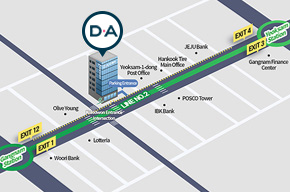


125 Teheran-ro, Gangnam-gu, Seoul, Korea, DA Plastic Surgery Building
DA Plastic Surgery
Contact Number : +82-10-3455-7111 | E-mail : dapsc7@gmail.com | Business License Number : 214-14-97135
COPYRIGHTⓒ 2016 DA PLASTIC SURGERY ALL RIGHTS RESERVED